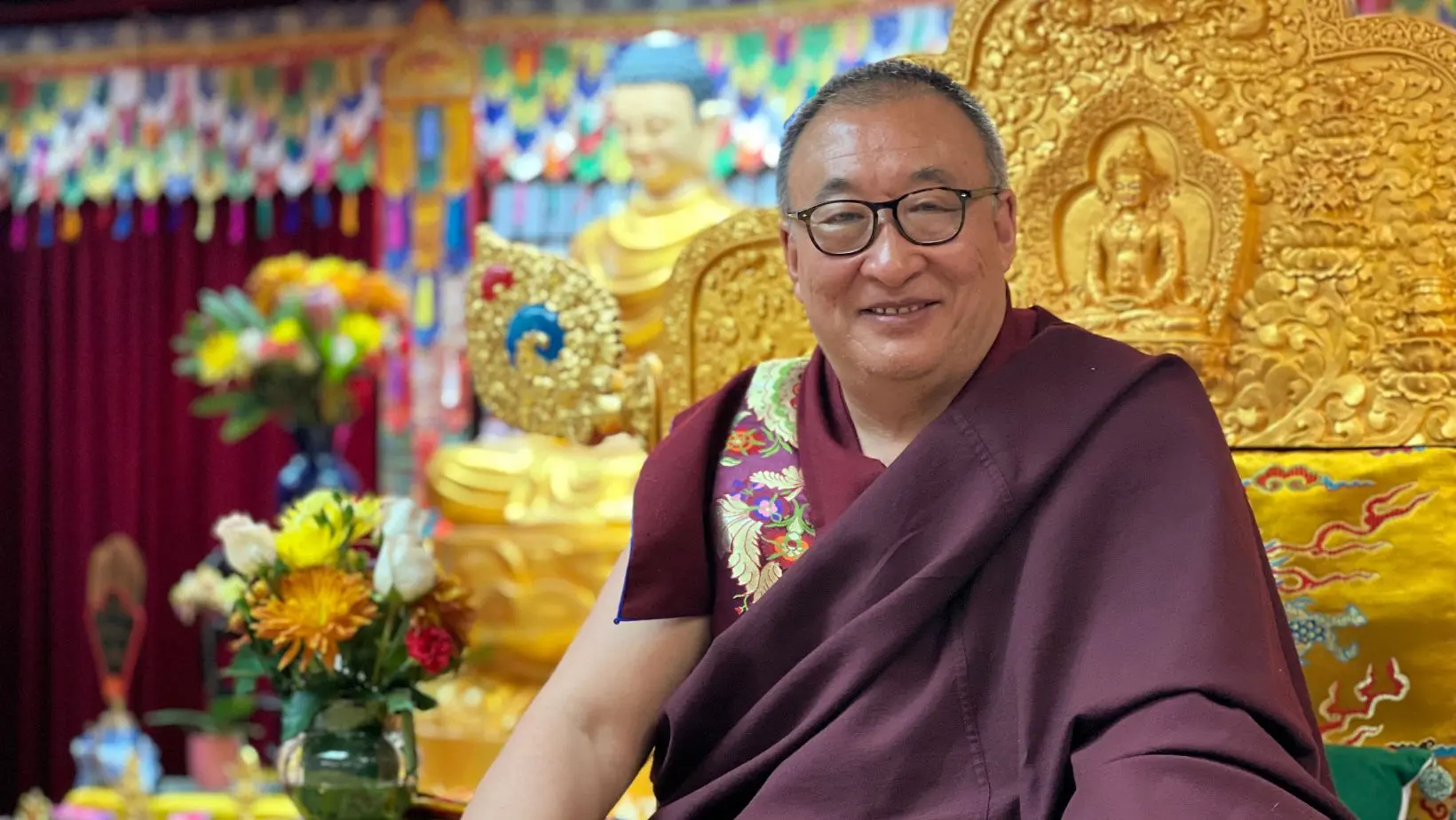
Shar Khentrul Rinpoché Jamphel Lodrö
Khentrul Rinpoché is a nonsectarian master of Tibetan Buddhism. He has devoted his life to a wide variety of spiritual practices, studying with more than twenty-five masters from all of the major Tibetan traditions. While he has genuine respect and appreciation for all spiritual systems, he has the greatest confidence and experience with his personal path of the Kalachakra tantra as taught in the Jonang-Shambhala tradition.
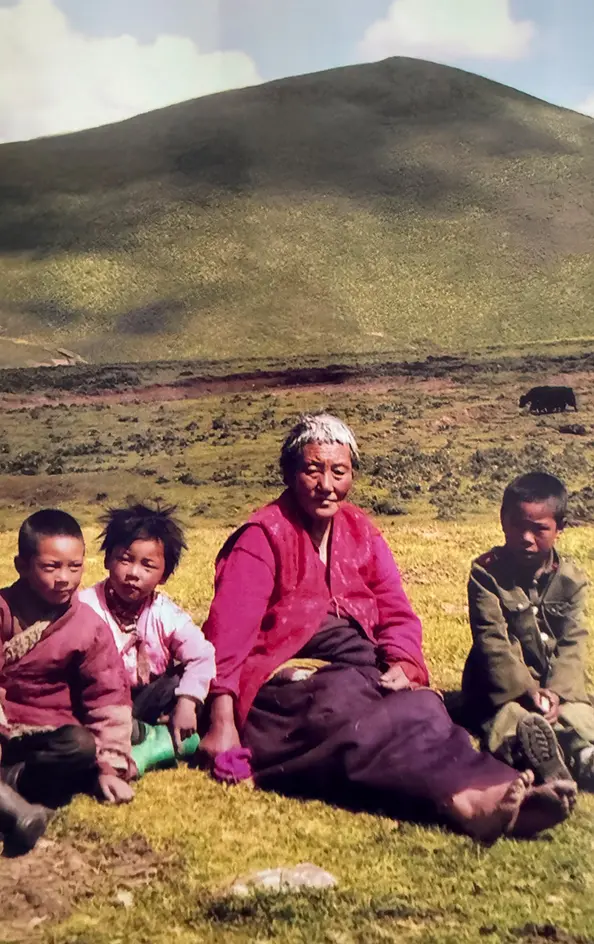
Shar Khentrul Jamphel Lodrö Rinpoché spent the first 20 years of his life herding yak and chanting mantras on the plateaus of Tibet. Inspired by the bodhisattvas, he left his family to study in a variety of monasteries under the guidance of over twenty-five masters in all the Tibetan buddhist traditions. Due to his non-sectarian approach, he earned himself the title of Rimé (unbiased) Master identified as the reincarnation of the famous Kalachakra Master Ngawang Chözin Gyatso. Khentrul Rinpoche is considered the 7th emanation of Bodhisattva Akasagarbha.
When he was chosen to be a teacher (khenpo) of the prestigious Tsangwa Monastery in Dzamthang, Rinpoche chose to renounce his position though in favor of dedicating himself to strict practice.
While at the core of his teachings is the recognition that there is great value in the diversity of all spiritual traditions found in this world; he focuses on the Jonang-Shambhala tradition. The Jonang lineage, thought to be extinct until recently by many Western scholars, he found held the most advanced teachings of Kalachakra (wheel of time) containing profound methods to harmonize our external environment with the inner world of body and enlightened mind.
Since 2014, he has travelled to more than thirty countries guiding students to realize their own sacred truth of limitless potential through a clear, systematic step-by-step presentation of the Kalachakra Path to enlightenment. By teaching people how to cultivate a flexible mind and remove bias, Khentrul Rinpoché aspires to create compassion-based communities, transforming this world into a golden age of global peace and harmony.
The Life Story of Khentrul Rinpoché Jamphel Lodrö
Khentrul Rinpoché is considered to be the third incarnation of the great Kalachakra adept Ngawang Chözin Gyatso. From his humble beginnings as a nomadic yak herder, Rinpoché’s life has exposed him to some truly extraordinary experiences. From his secret incarnation, through yak herding to his trip to the west, follow his timeline highlighting some of the key events which have helped shape the person he is today.

An Unbiased View
Khentrul Rinpoché Jamphel Lodrö is a rimé master. ‘Rimé’ means a ‘non-sectarian’ or ‘non-biased’ view. While some people may think this is related to the idea of all systems being equal, it is actually focused on recognizing the value and benefit of multiple points-of-view. Khentrul Rinpoche wrote a rime book titled “Ocean of Diversity” that includes all the traditions of Tibetan Buddhism as well as many of the religious traditions alive in our world today. We work to cultivate an unshakeable and genuine respect for pluralistic traditions seeing the value in all faiths. We are inclusive and welcome practitioners from all backgrounds.
Teachers
In Gratitude for All of Rinpoche’s Teachers The kindness of those who guide us to liberation is beyond measure. They teach the words of the Dharma, reveal their meaning, and lead us—step by step—toward direct recognition of our awakened nature. Khentrul Rinpoche offers heartfelt gratitude to the masters who have guided him in this lifetime. This list is offered in reverence and is not exhaustive—only a glimpse of the many teachers, and the living lineages they carried, whose compassion and wisdom he remembers with devotion.
Lama Kaldan
བླ་མ་སྐལ་ལྡན།
unsure: Unsure
Unknown Monastery
Samar Lama Delo
ས་མར་བླ་མ་དེ་ལོ།
unsure: Unsure
Unknown Monastery
Jetsun Lama Yonten Zangpo
རྗེ་བཙུན་བླ་མ་ཡོན་བརྟན་བཟང་པོ།
Jonang
Dzamthang Tsangwa Monastery
Thanthan Lama
ཐན་
unsure: Unsure
Unknown Monastery
Khenpo Jigme Phuntsog
མཁན་པོ་འཇིགས་མེད་ཕུན་ཚོགས
unsure: Unsure
Unknown Monastery
Aku Gopo
སྤྲུལ་སྐུ་ཨ་ཁུ་དགོད་པོ།
Nyingma - Dzogchen
Denong Monastery
Aku Geko
ཨ་ཀུ་དགེ་ཁོ།
Gelug
Kirti Monastery
Shugchong Khandroma
ཤུག་ཆུང་མཁའ་འགྲོ་མ།
Nyingma - Dzogchen
Shugchong Monastery
Tare Lhamo
མཁའ་འགྲོ། ཏ་རེ་ལྷ་མོ།
Nyingma
Nyanlang Monastery
Lama Longtser
བླ་མ་ལོང་ཚེར།
Sakya
Dewu Monastery
Akushabha
བླ་མ་བཤད་པ།
Sakya
Raktsa Monastery
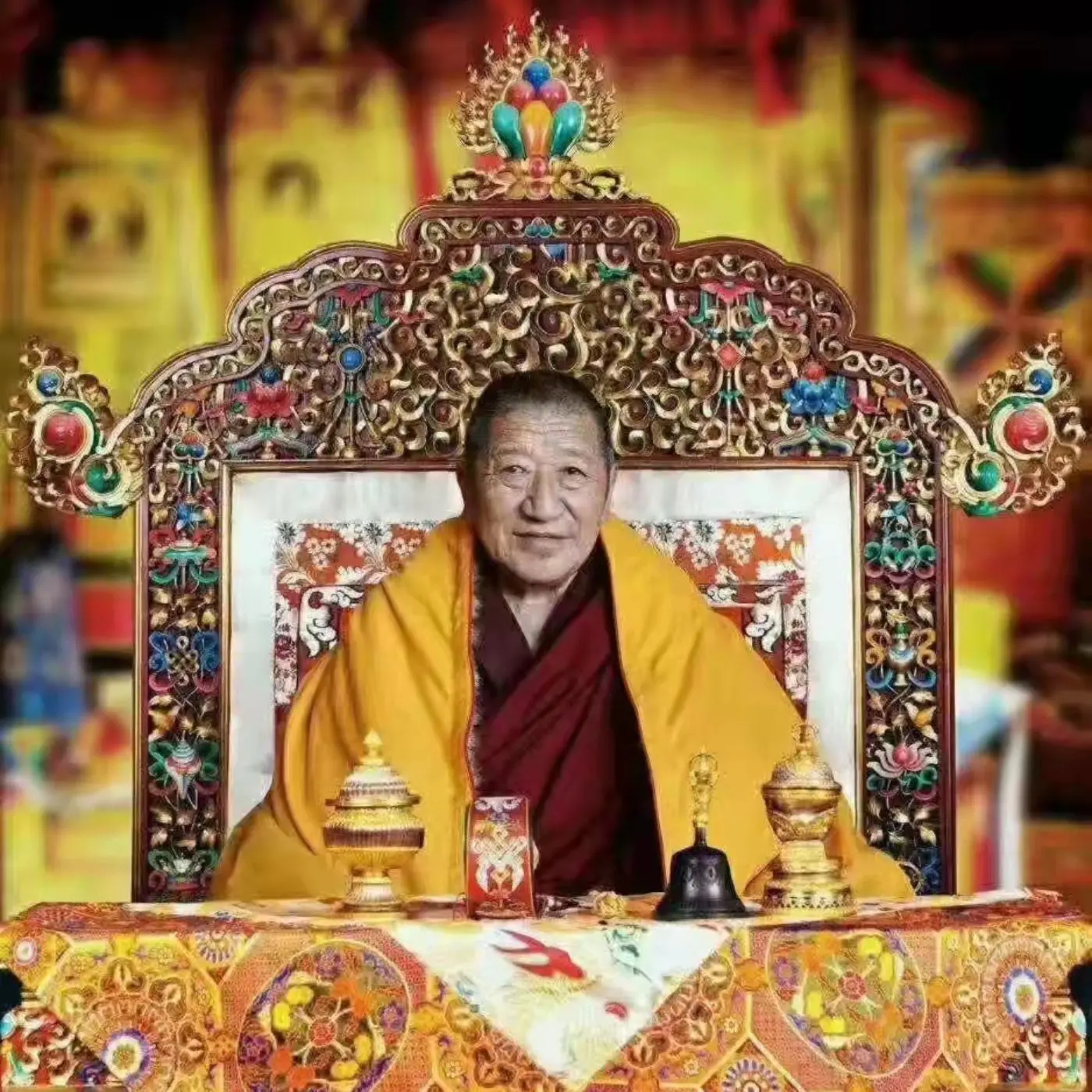
HH Jonang Kyabgon Chogtrul Jigme Dorje
ཇོ་ནང་སྐྱབ་མགོན་མཆོག་སྤྲུལ་འཇིགས་མེད་རྡོ་རྗེ་མཆོག
Jonang
Dzamthang Tsangwa
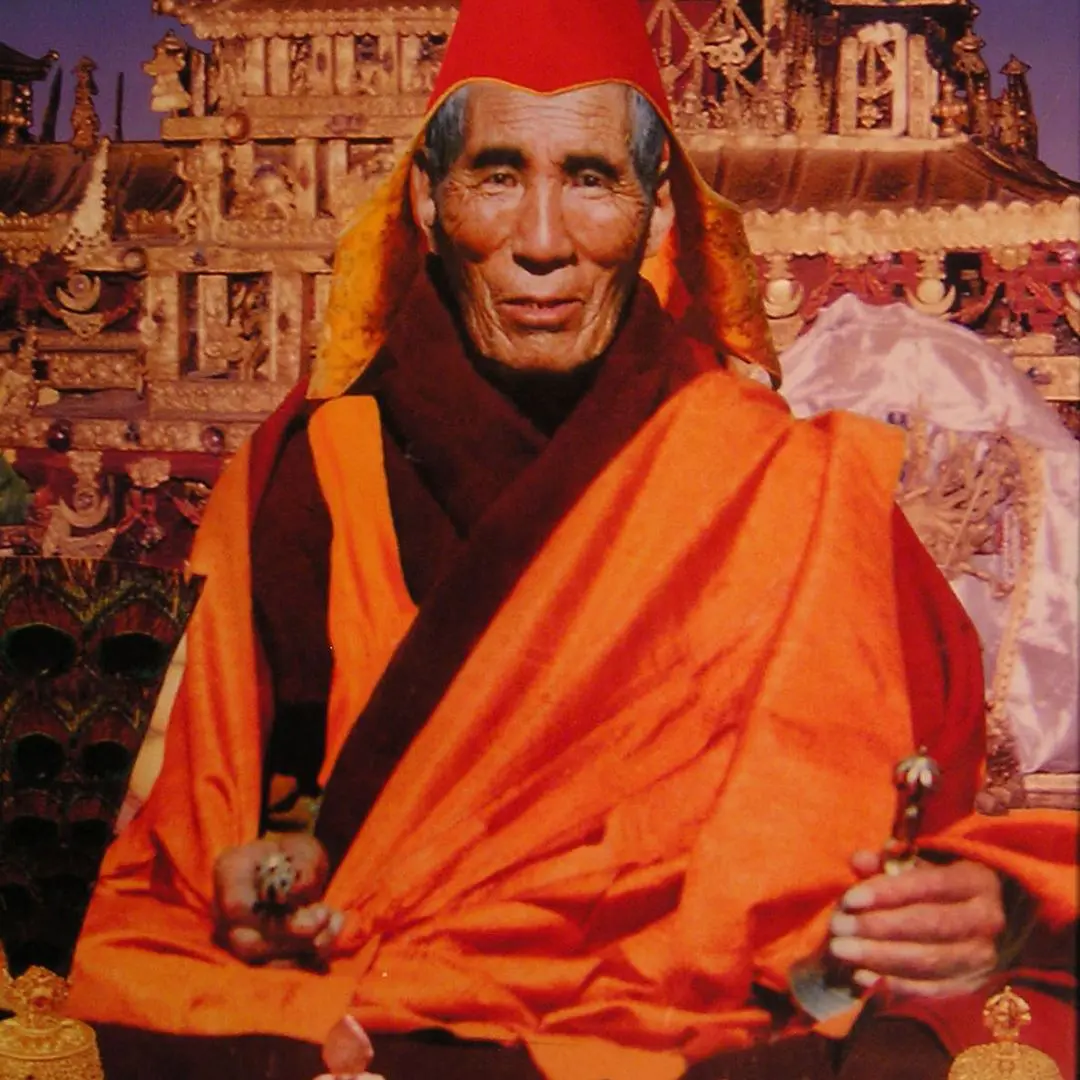
Lama Lobsang Trinley
རྗེ་བཙུན་བླ་མ་བློ་བཟང་འཕྲིན་ལས།
Jonang
Tashi Chöthang Monastery

Sagang Khenpo
Sakya
Thubten Tashi Gephel Ling Monastery
Zankar Tulku Jampchup Dorje
གཟན་དཀར་སྤྲུལ་སྐུ་བྱང་ཆུབ་རྡོ་རྗེ།
Kagyu
Yuthök Monastery
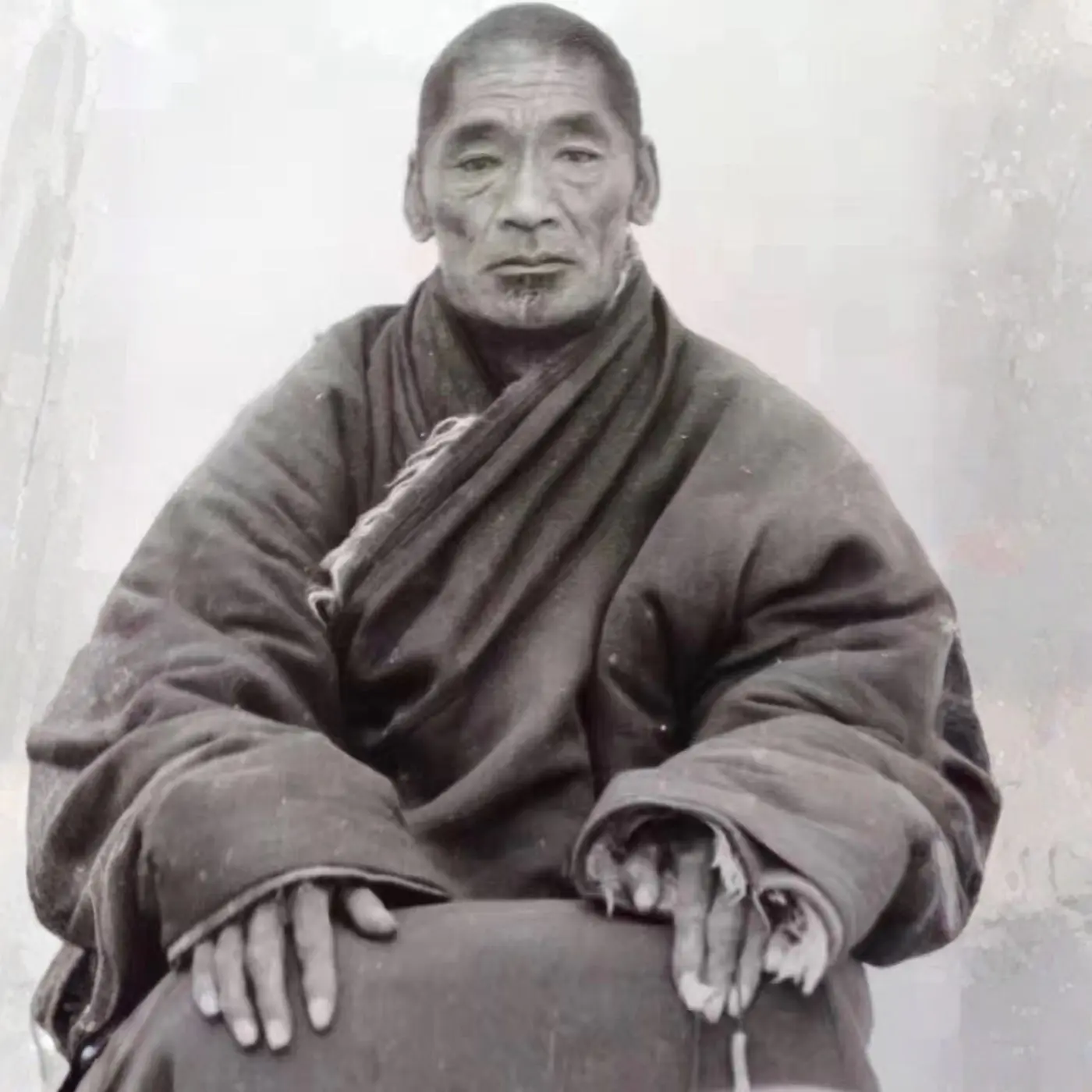
Lama Zharten
མཁན་པོ་ཤེས་སྟན
Jonang
Doli Doka Monastery

Khenpo Phuntsok
མཁན་པོ་ཕུན་ཚོགས།
Kagyu
Yuthök Monastery
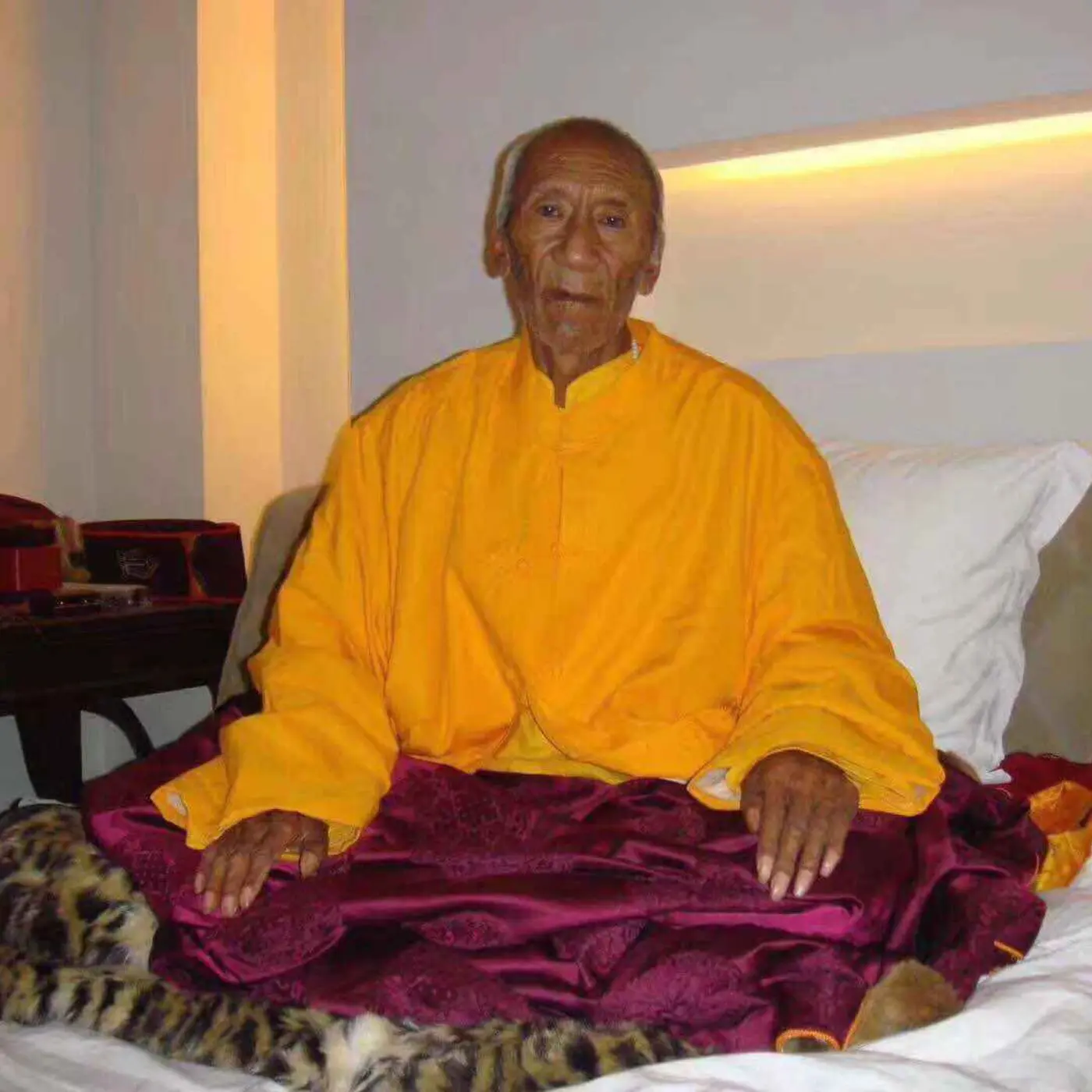
Khenpo Jamser
མཁན་པོ་འཇམ་སེར།
Kagyu
Yuthök Monastery
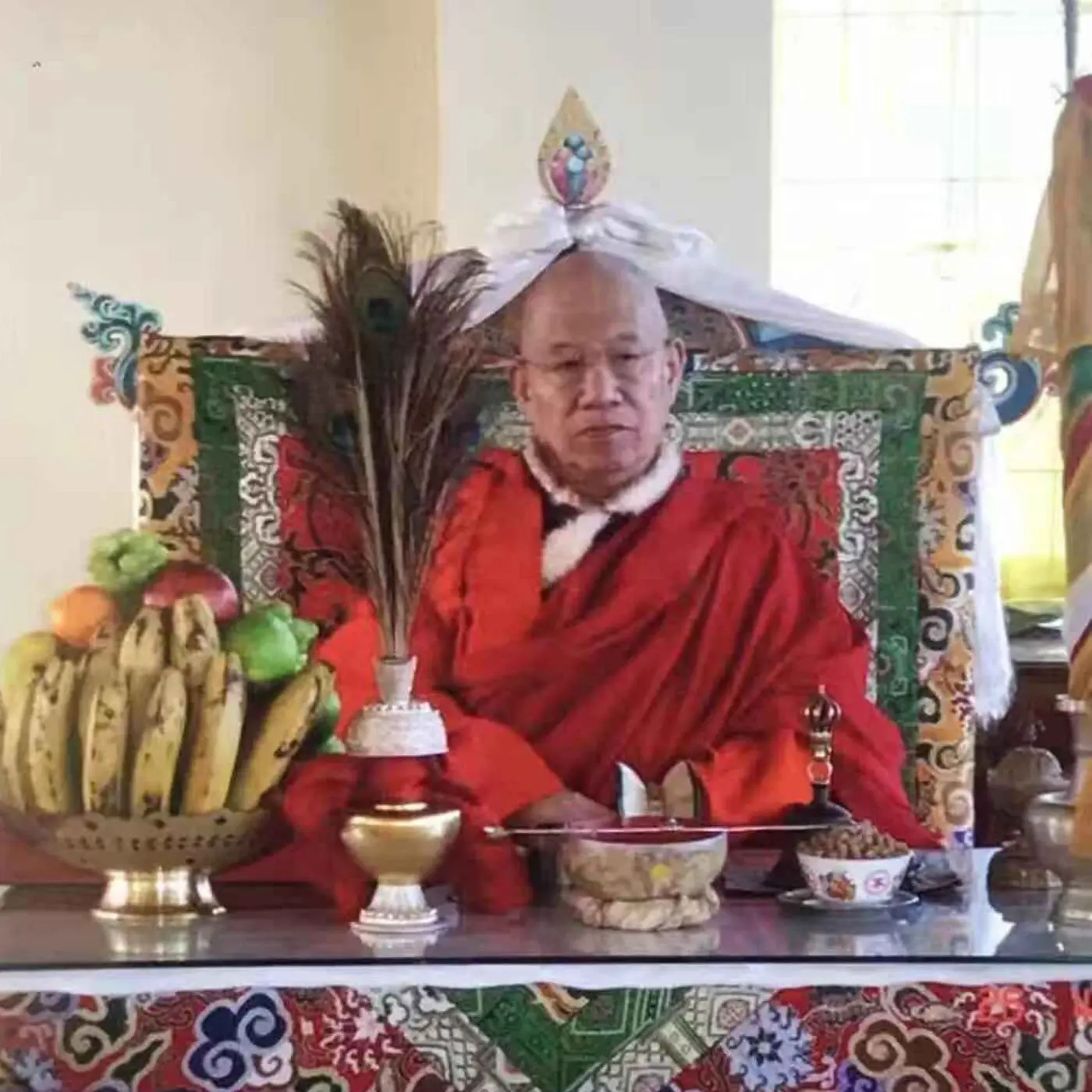
Dodrupchen Rinpoche
རྡོ་གྲུབ་སྤྲུལ་སྐུ་ཐུབ་པ།
Nyingma - Dzogchen
Drupchen Monastery Tibet
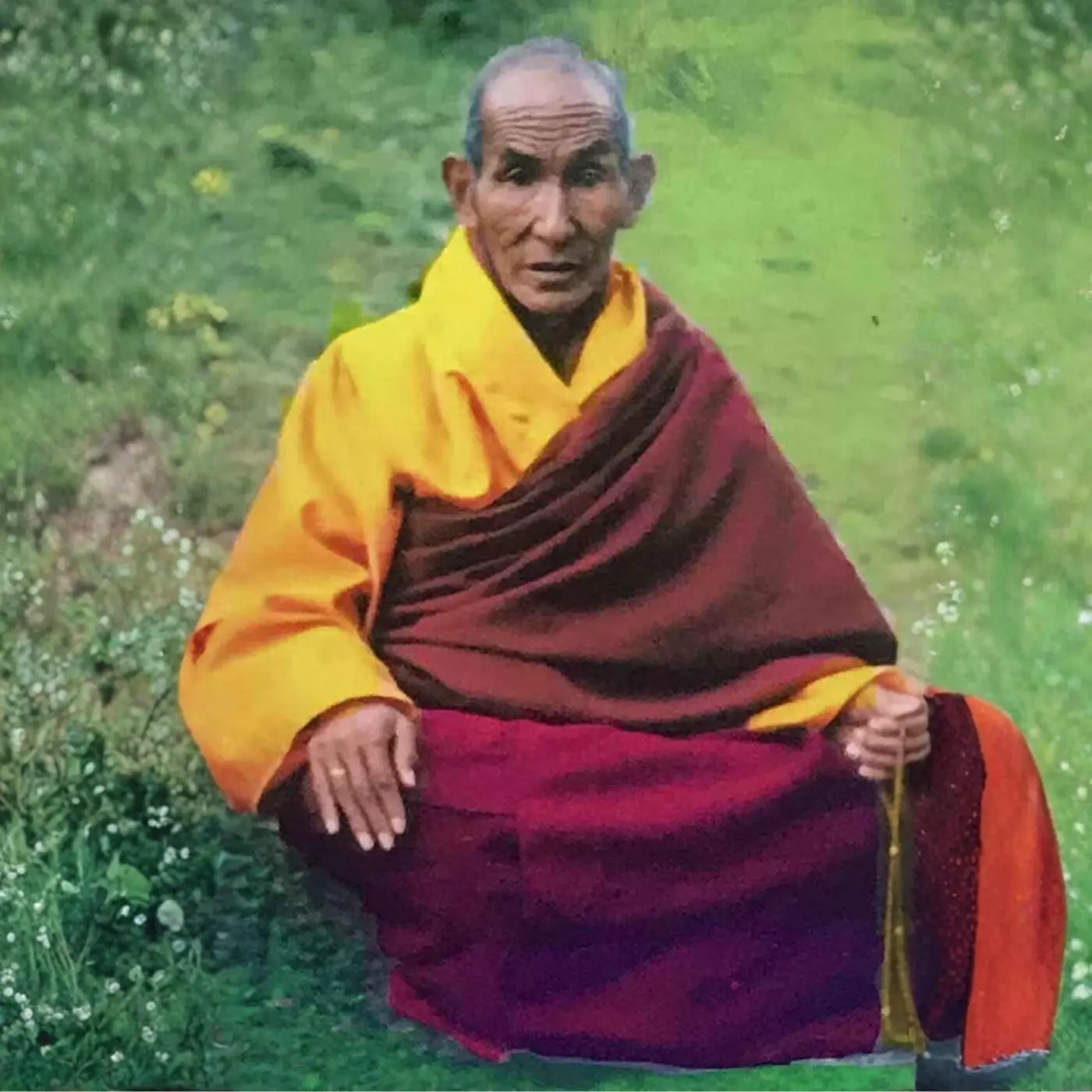
Tulku Karma Sonam
སྤྲུལ་སྐུ་ཀརྨ་བསོད་ནམས།
Kagyu
Yuthök Monastery
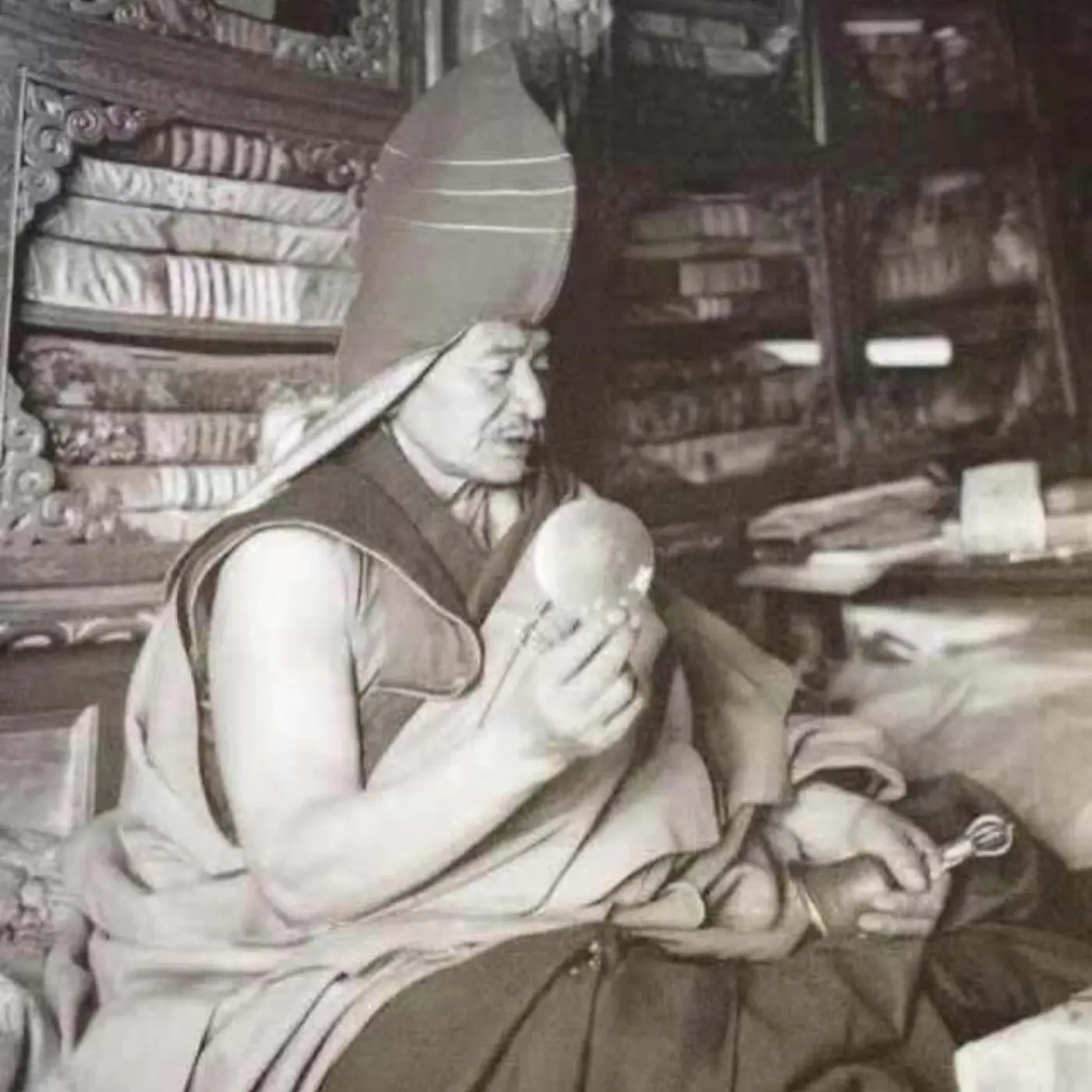
Mukyang Khenpo Lobsang Tsultrim
མུག་ཡང་མཁན་པོ་ཚུལ་ཁྲིམས།
Nyingma - Dzogchen Nyingtik
Dongzang Monastery
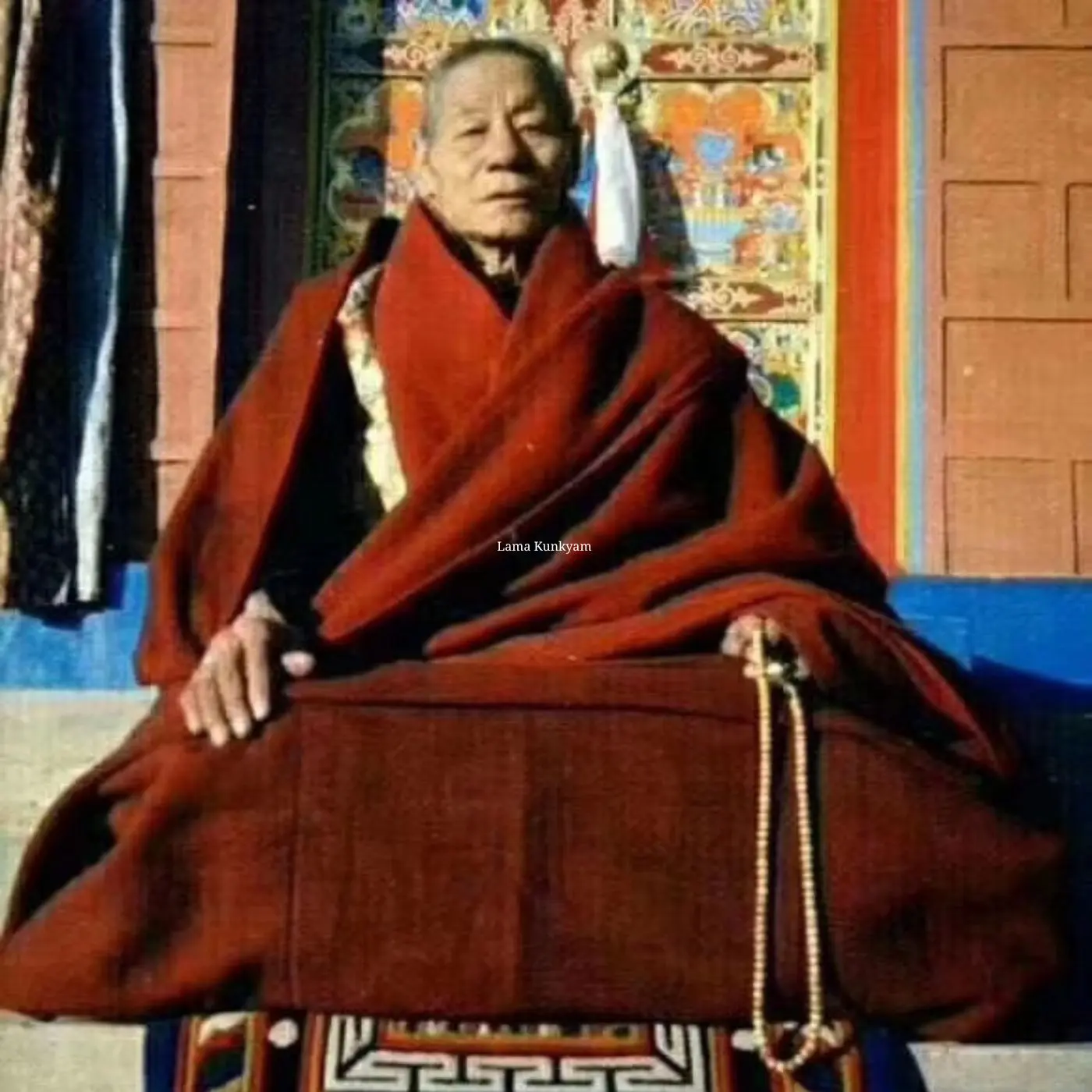
Lama Kunkyam
བླ་མ་ཀུན་རྒྱམ།
Nyingma - Kathok
Denong Monastery
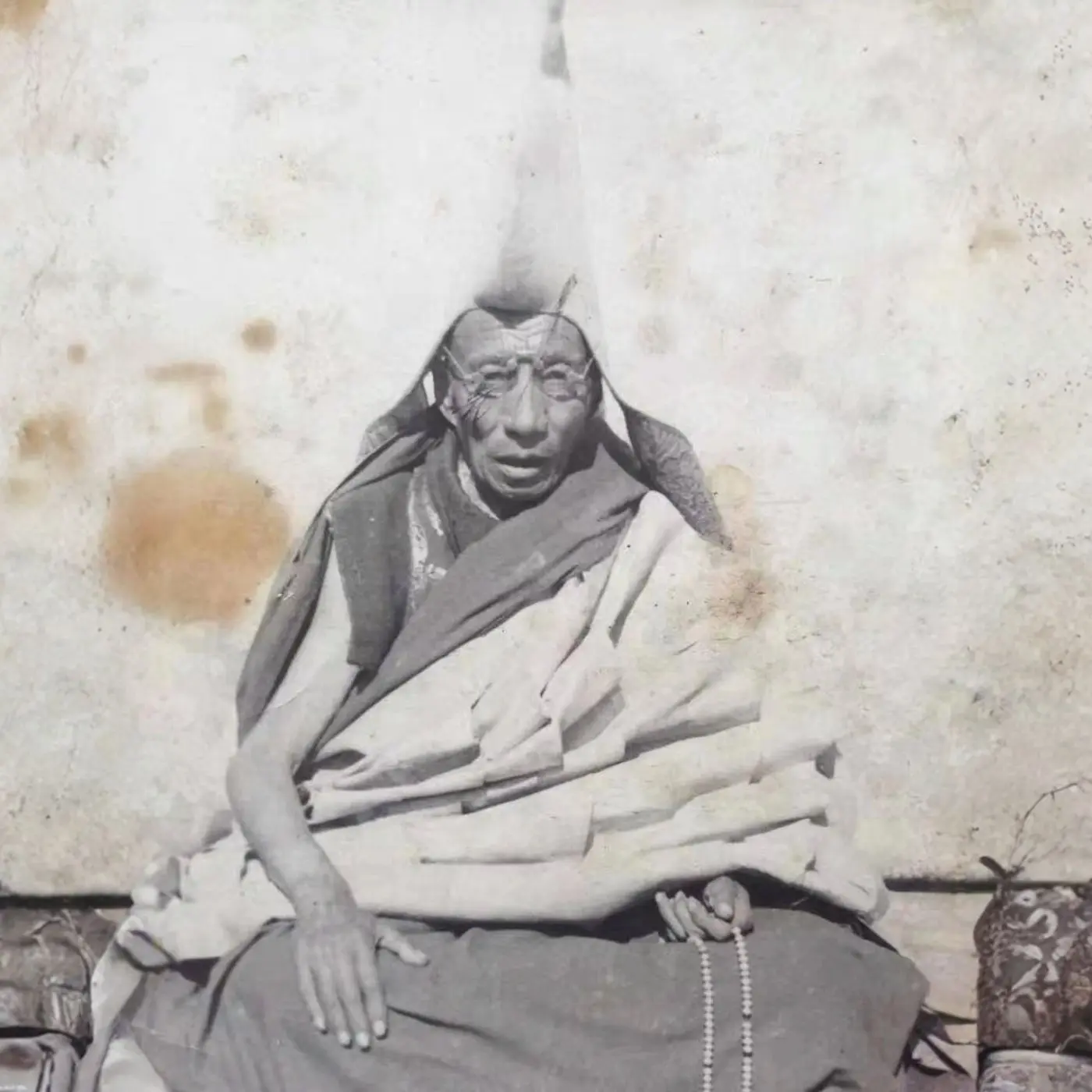
Tulku Katag
ཀློ་བླ་སྤྲུལ་སྐུ་ཀ་དག
Nyingma - Dzogchen Nyingtik
Denong Monastery

Khenpo Sangten
མཁན་པོ་སངས་རྟན།
Nyingma - Palyul
Denong Monastery
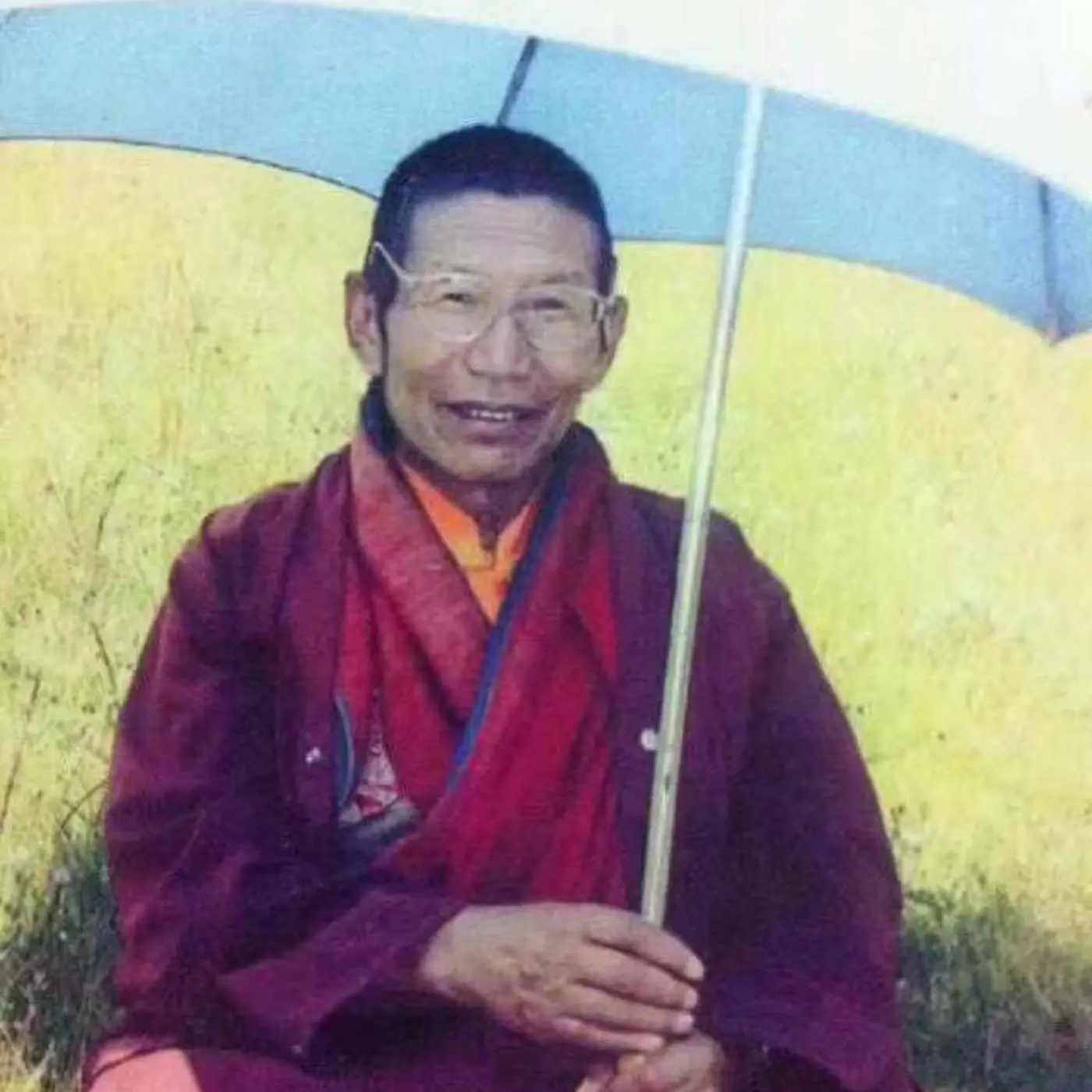
Tawa Khenpo Jigme Namdrol
རྟ་བ་བླ་མ་རྣམ་གྲོལ།
Nyingma - Kathok
Tharthang
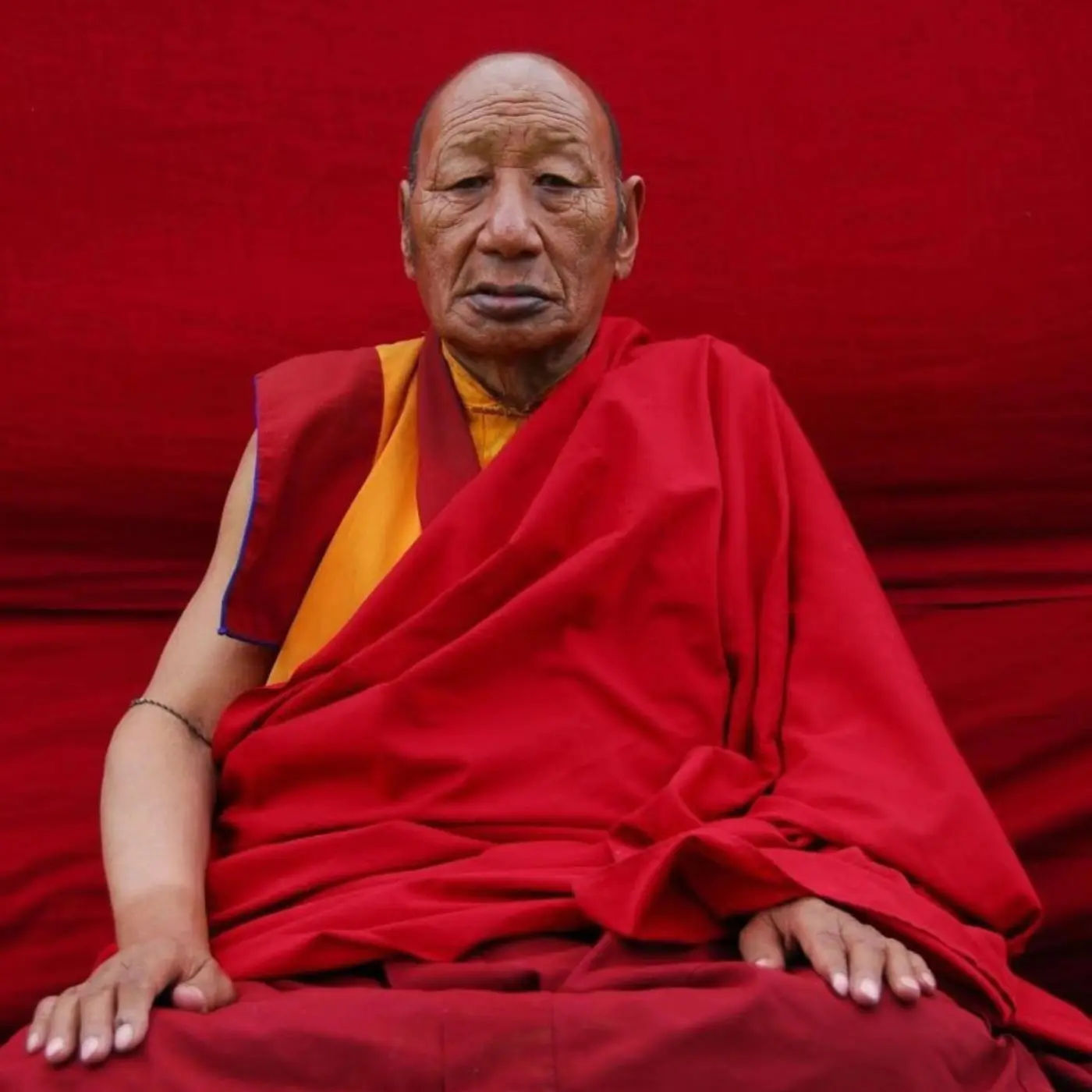
Lama Logyam
བློ་མ་བློ་རྒྱམ།
Nyingma - Kathok
Denong Monastery
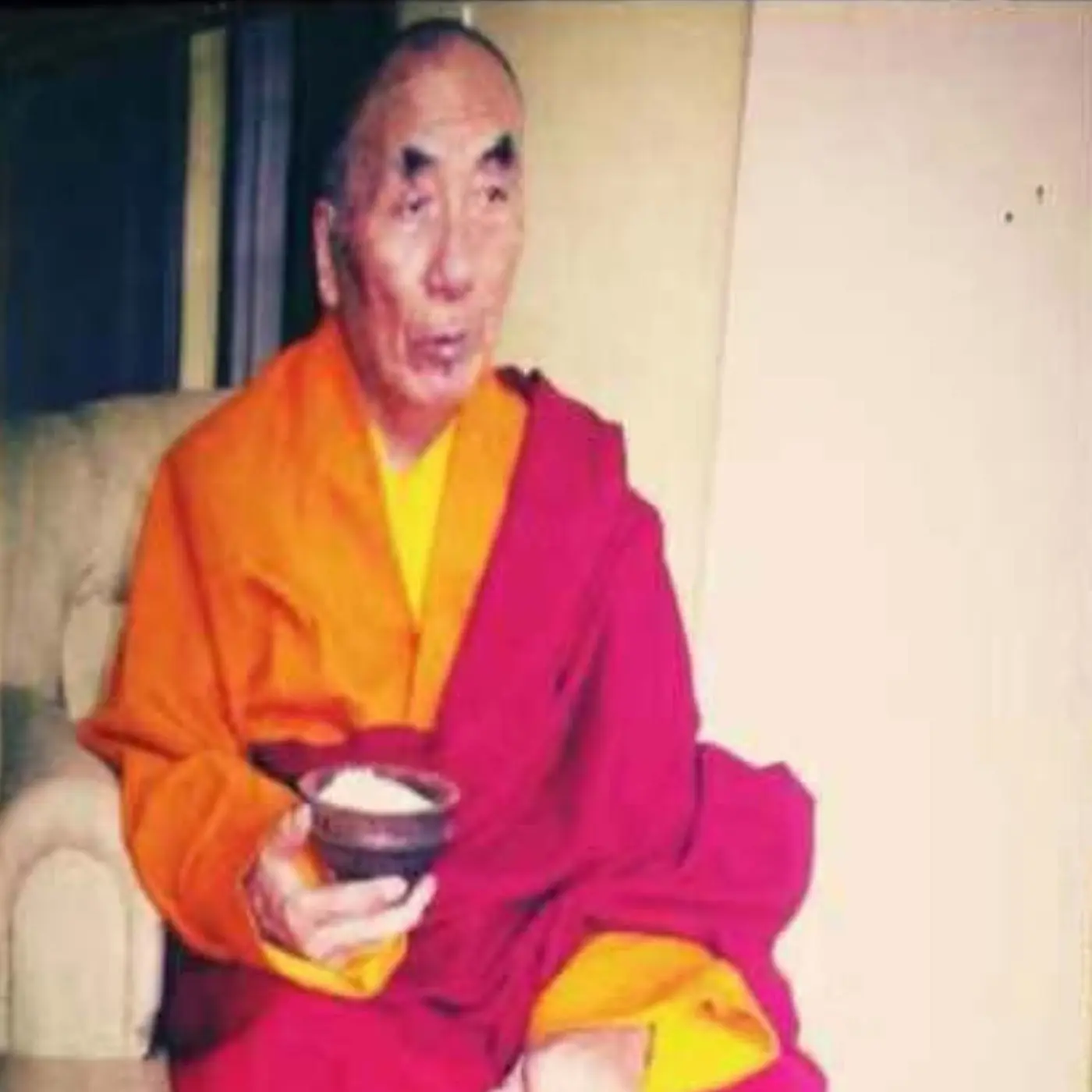
Khenpo Lotsul
མཁན་པོ་བློ་ཚུལ།
Nyingma - Palyul
Tharthang Monastery
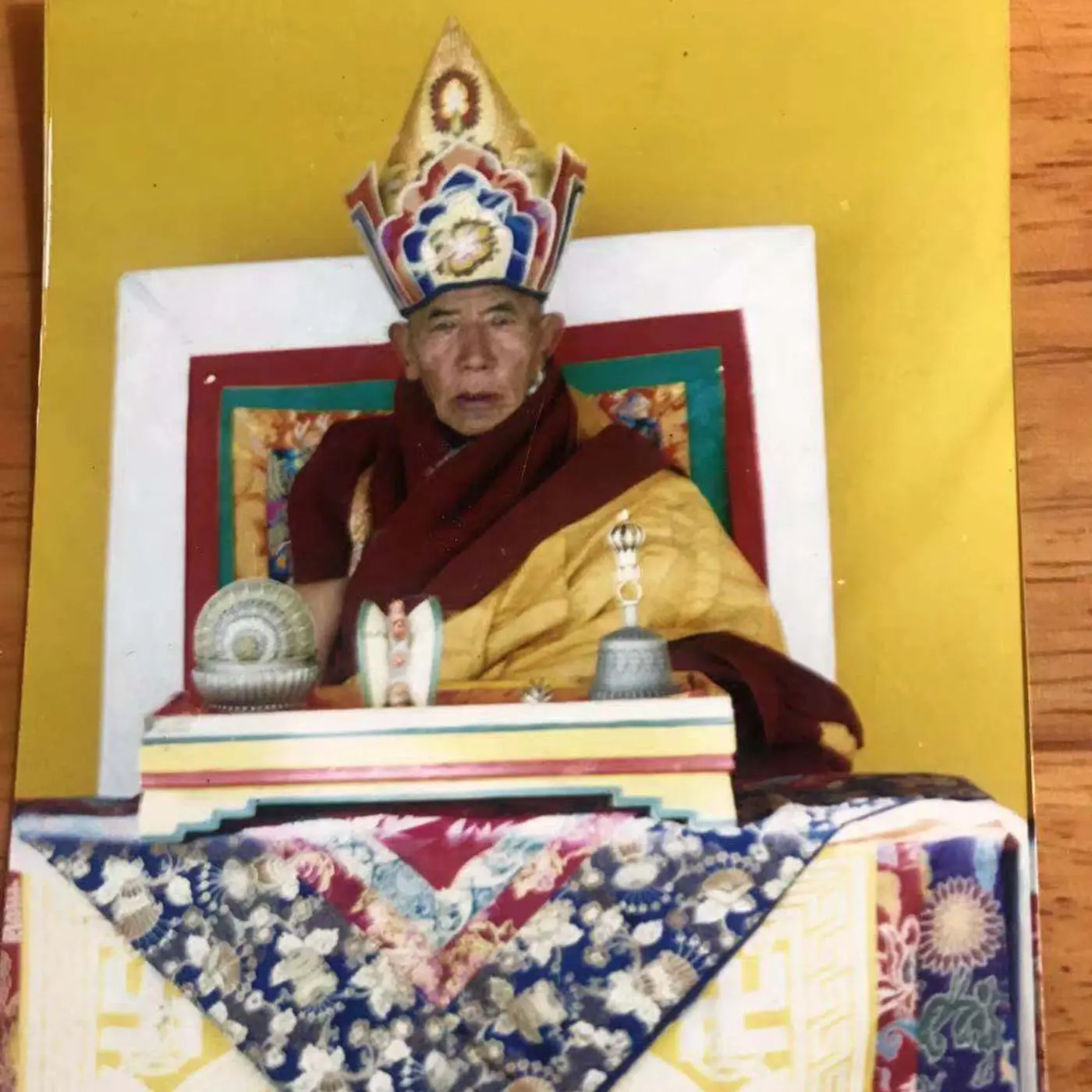
Khenpo Öden
མཁན་པོ་འོད་ལྡན།
Nyingma - Palyul
Tharthang Monastery
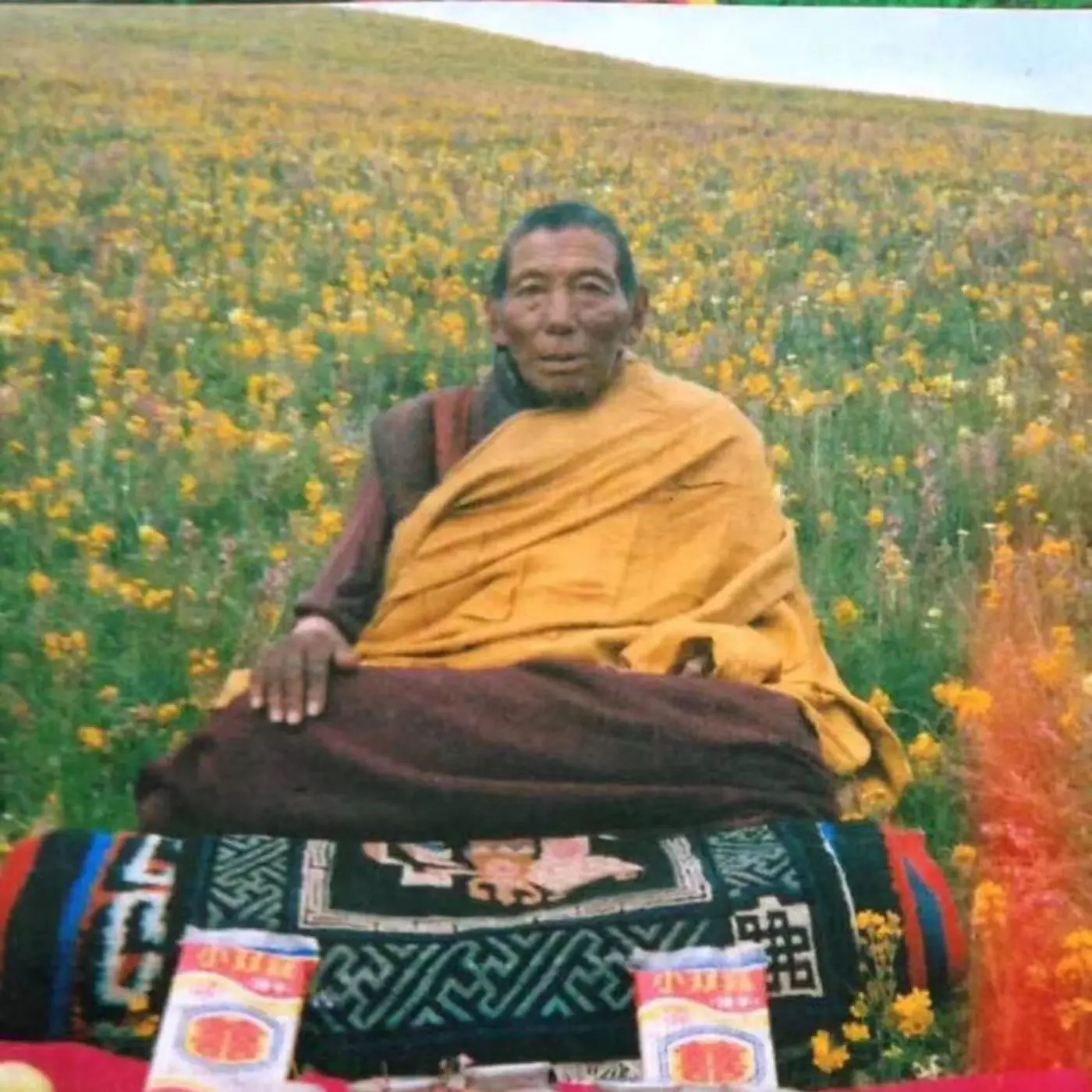
Gyago Lama Ngaklu
རྒྱ་སྒོ་བླ་མ་ངག་བློས།
Jonang
Jonang Shol Monastery

Khenpo Sherab Saljay
མཁན་ཆེན་ཤེས་རབ་གསལ་བྱེད།
Jonang
Jamdha Monastery

Khenpo Jigten
Nyingma - Palyul
Tharthang Monastery
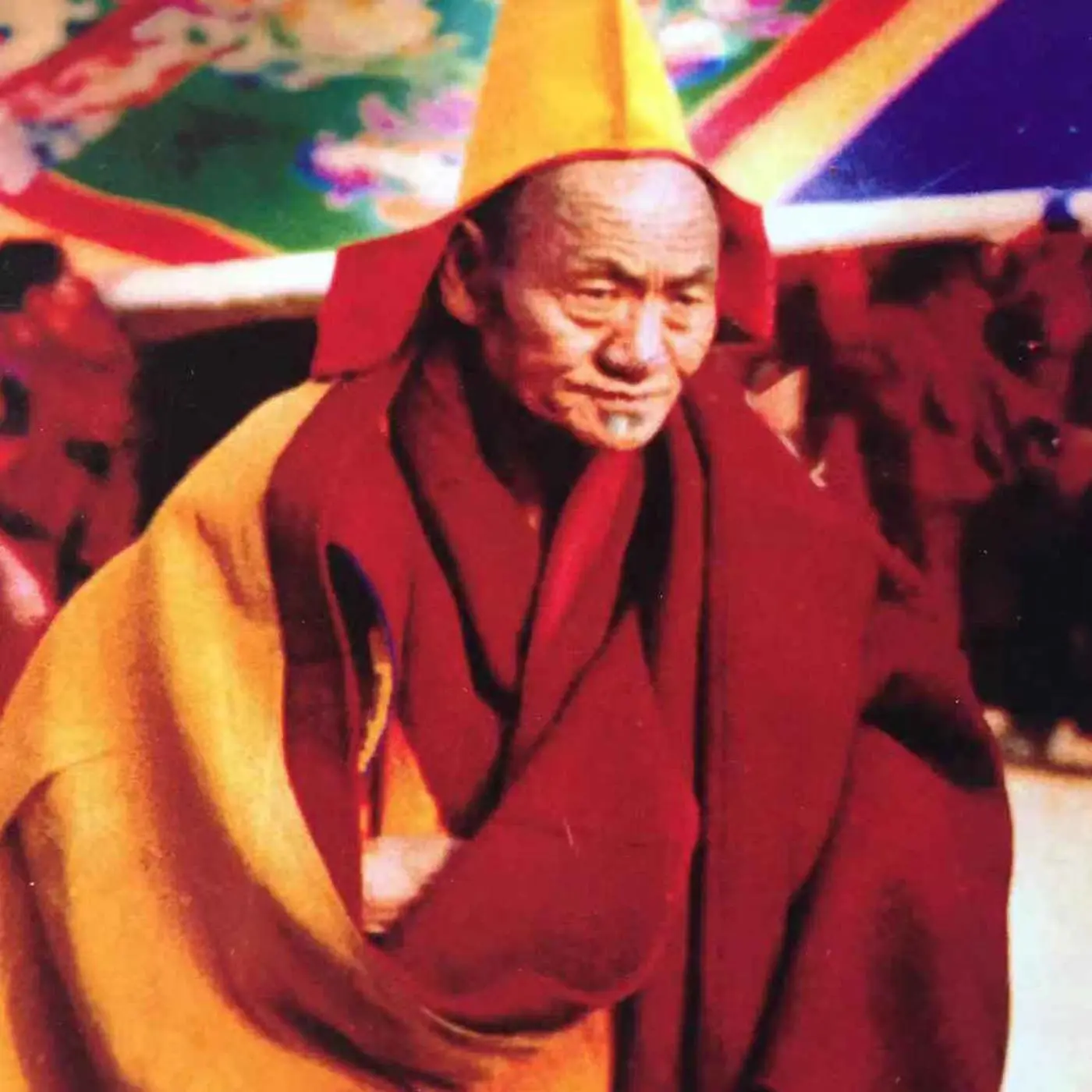
Khenpo Arik Lothen
མཁན་པོ་ཨ་ཁུ་བློ་བརྟན།
Gelug
Kirti Monastery

Kyagya Longrik
དཀར་རྒྱ་ལུང་རིགས།
Gelug
Kirti Monastery
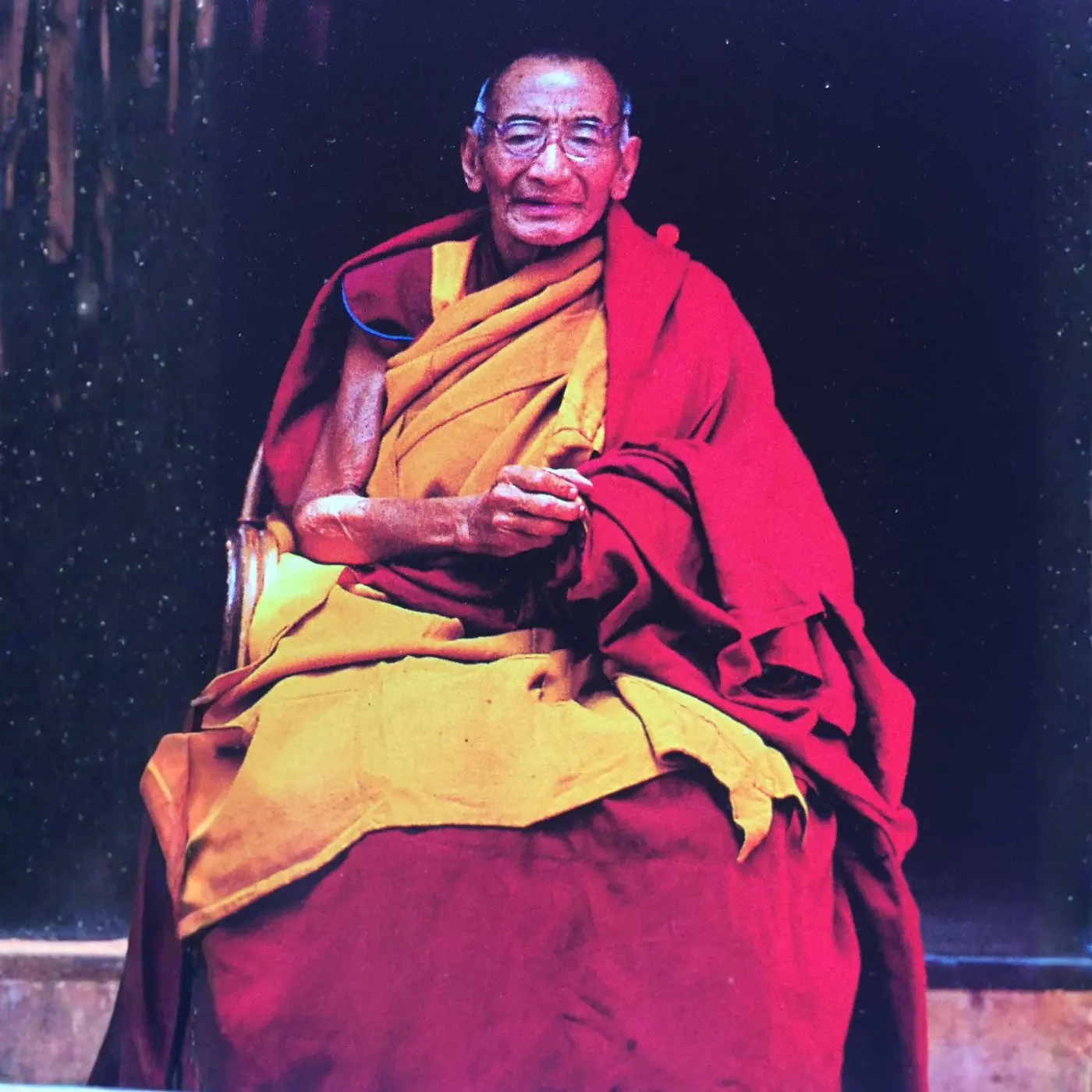
Khenpo Aki Tamchösang
མཁན་པོ་ཨ་ཁུ་ཐབས་མཁས་སང་།
Gelug
Kirti Monastery
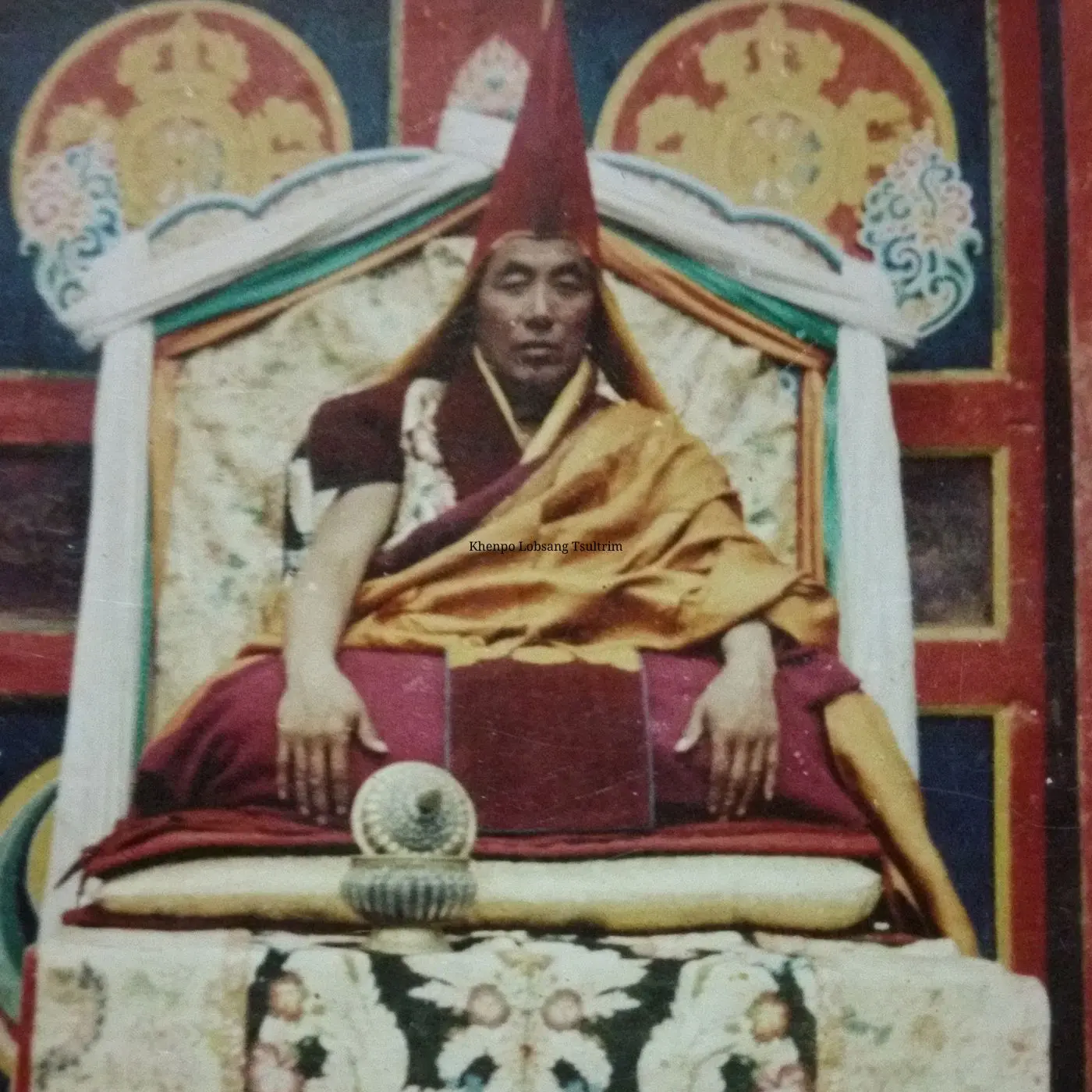
Khenpo Lobsang Tsultrim
མཁན་པོ་བློ་བཟང་ཚུལ་ཁྲིམས།
Nyingma - Palyul
Tharthang Monastery

Tulku Lobsang Norbu Tharthang
སྤྲུལ་སྐུ་བློ་བཟང་ནོར་བུ།
Nyingma - Palyul
Tharthang Monastery
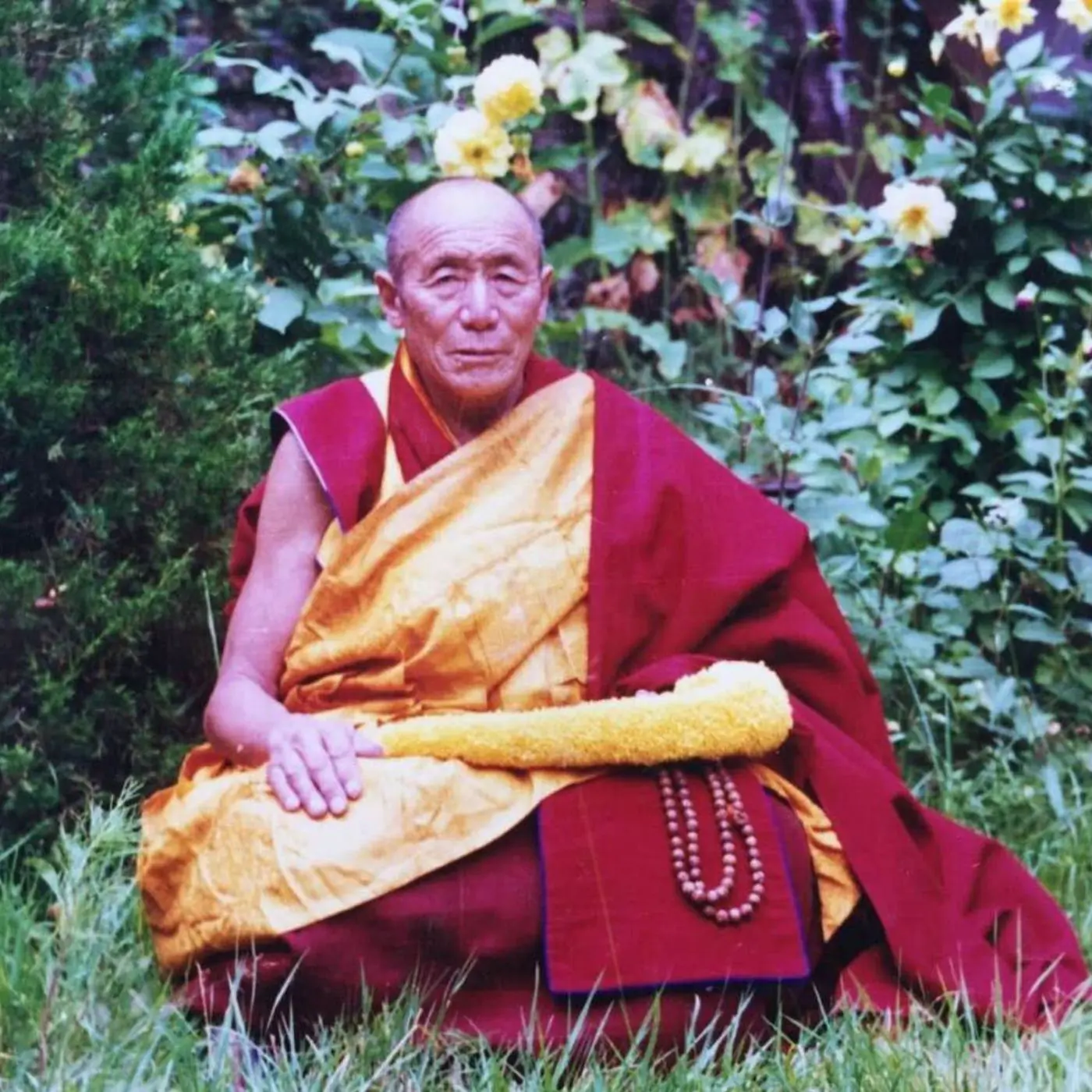
Marwan Tulku Jinpa Gyatso
དམར་དབང་སྤྲུལ་སྦྱིན་པ་རྒྱ་མཚོ།
Gelug
Kirti Monastery
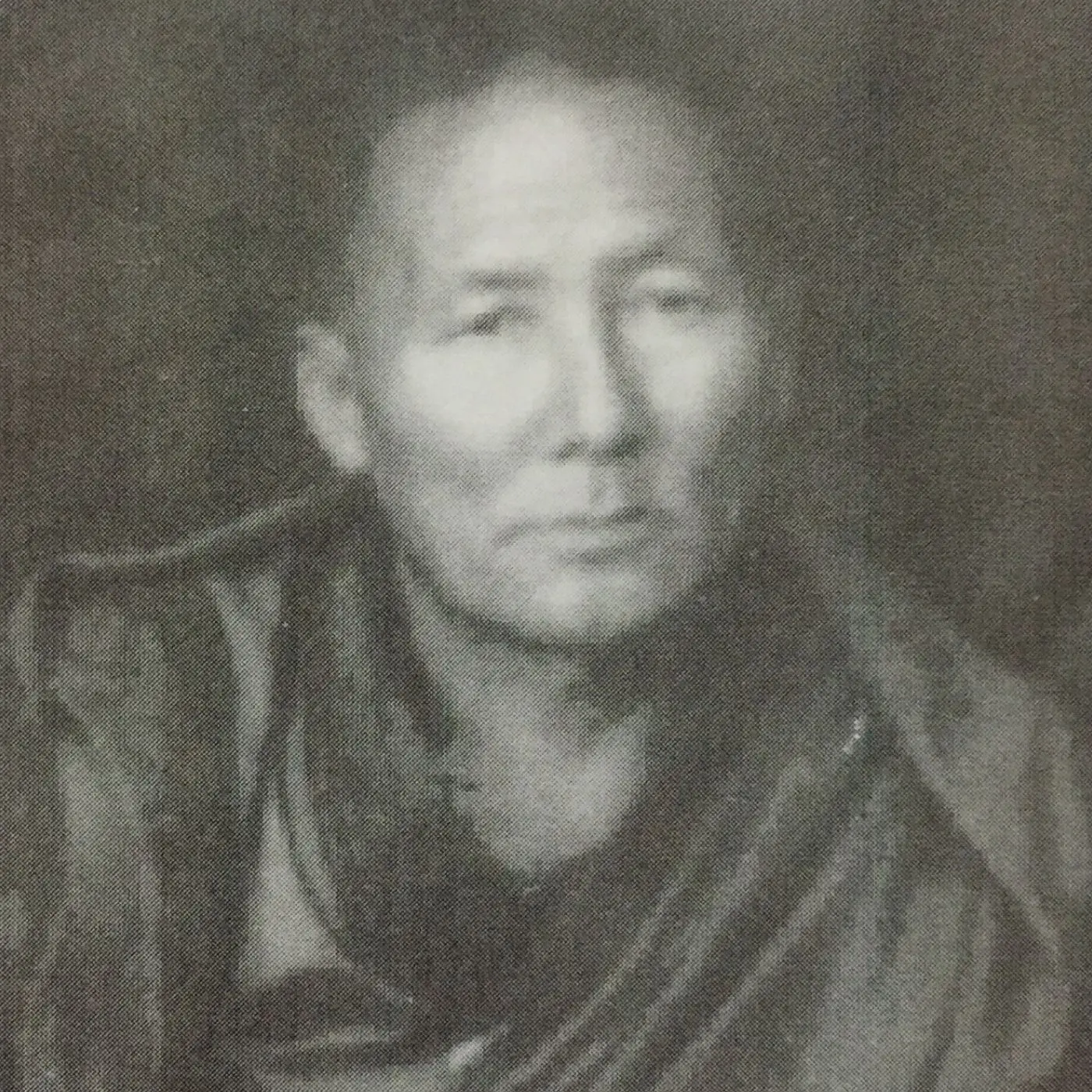
Aku Lodrö Gyamsto
ཨ་ཁུ་བློ་གྲོས་རྒྱ་མཚོ།
Gelug
Kirti Monastery

Aku Jigyam
ཨ་ཁུ་འཇིགས་རྒྱམ།
Gelug
Kirti Monastery
Lineage of the Parents
FATHER
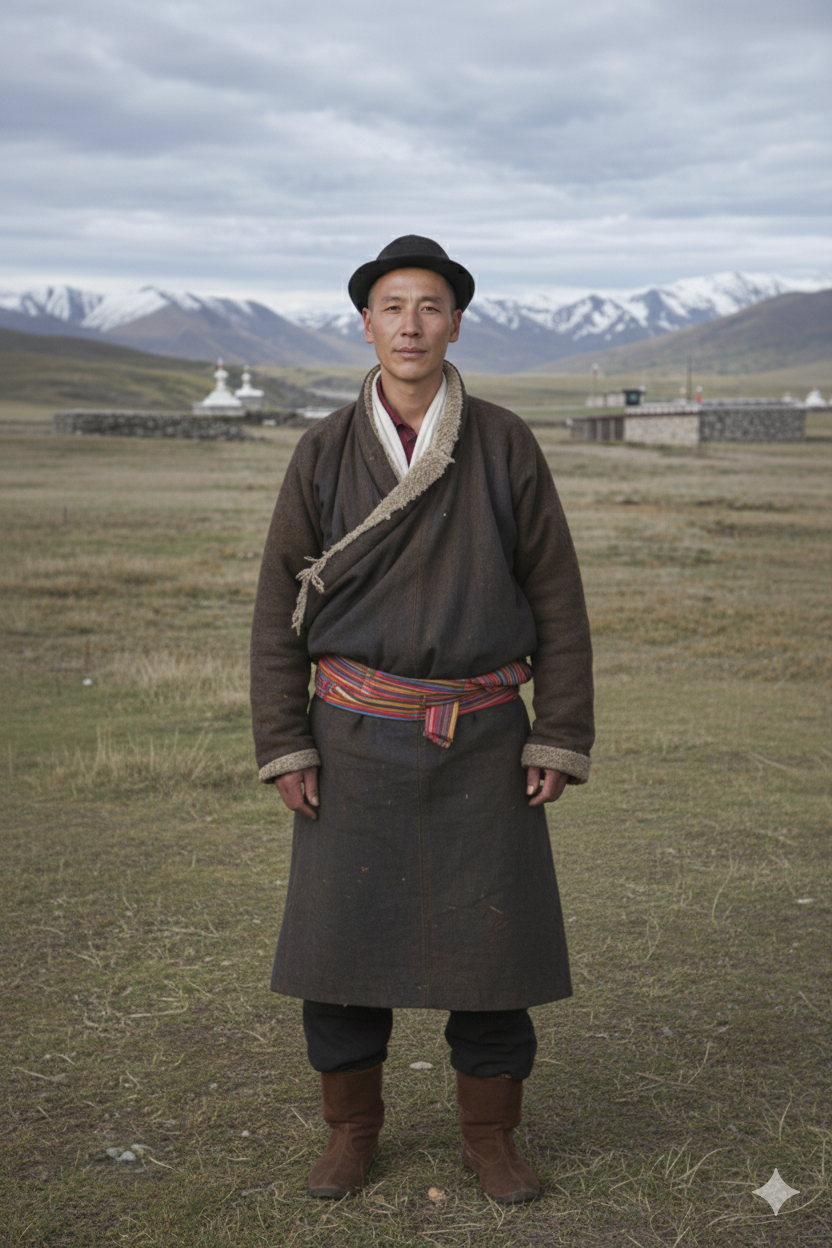
ཕ་ཤར་ཐུབ་བསྟན།
Aph Shar Thubtan
A respected thangka painter, known for integrity and devotion to the Dharma
Khentrul Rinpoche’s father was a deeply accomplished Nyingma practitioner, tantric monk, and master thangka painter. Due to the political circumstances of the time, he was forced to disrobe, yet his inner realization and devotion to the Dharma never wavered. He personally taught Khentrul Rinpoche many mantras, prayers, and foundational practices, planting the karmic seeds for Rinpoche’s future path.
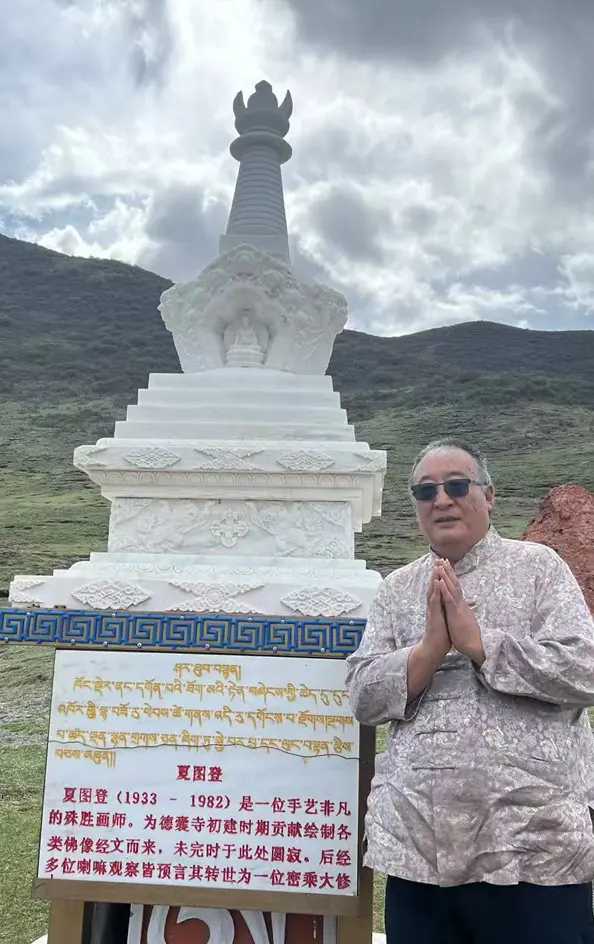
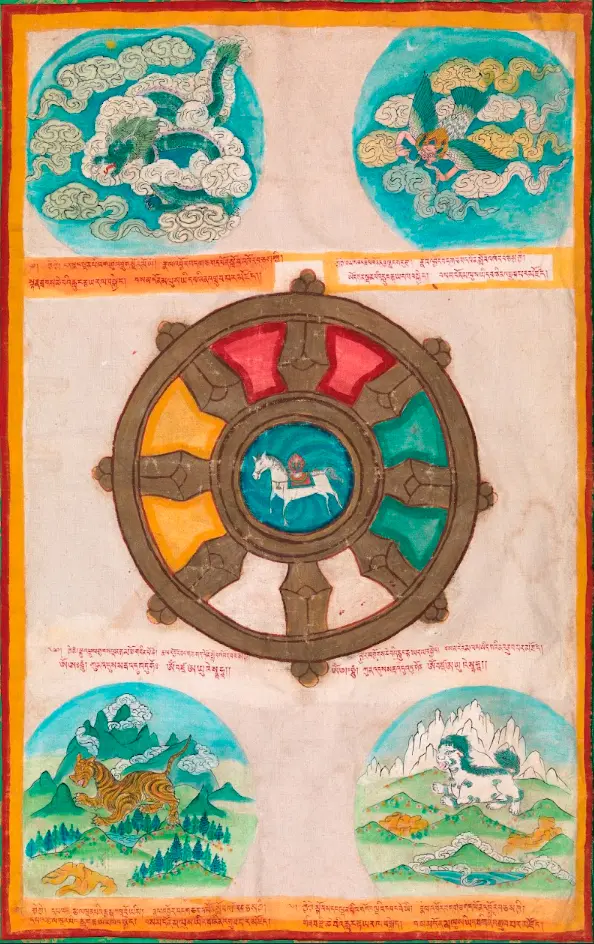
As a gifted artist, he created the essential conditions for the Drolmi Kazug Puja by painting two extraordinary thangkas: one depicting the 21 Taras and another of the five Lungta animals. When Khentrul Rinpoche was 19 years old, his father traveled to paint the walls of a newly re-established monastery, where he passed away on the monastery grounds. This profound and karmically charged moment became a turning point in Rinpoche’s life, inspiring him to enter monastic life and dedicate himself fully to the Dharma.
Earlier in his life, a lama performed a mirror divination predicting that Rinpoche’s father would be reborn as a great tantric practitioner in Rebkhong, Amdo. After his passing, a different lama independently confirmed the same prophecy, affirming the depth of his realization and his ongoing connection to the tantric lineage.
Sacred Images
MOTHER
ཨ་མ་ཤེས་རབ་སྒྲོན་མེ།
Ama Sherab Dronme
A strong woman of faith and devotion, who inspired Rinpoche
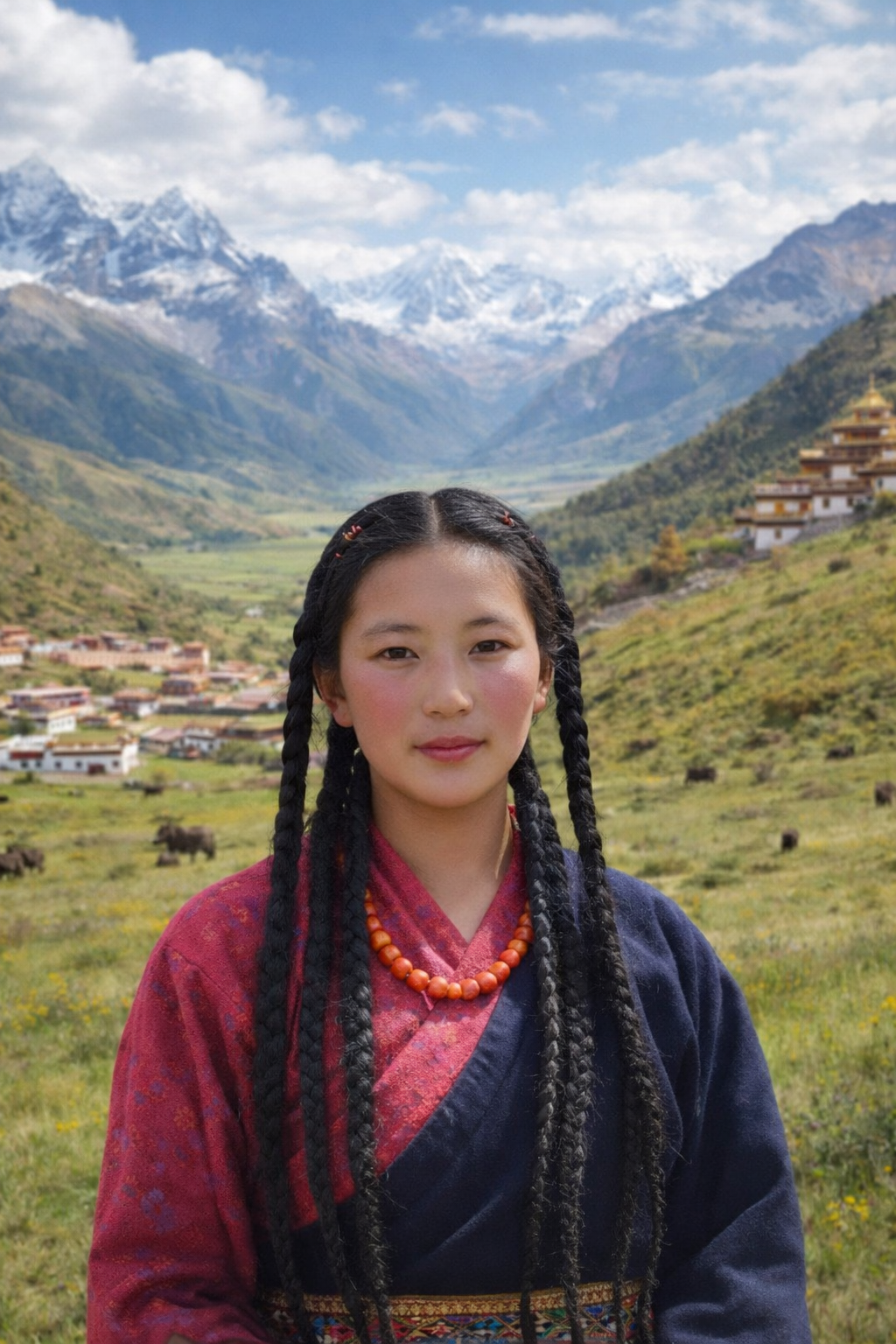
Sherab Drolmé was a great practitioner from childhood. In her youth, she often ran away from her samsaric home to seek a life of Dharma as a nun, but her family set out on horseback to recapture her and bring her home. One day, she met a Dakini who told her not to run away. The Dakini told her that she had the karma to marry two tantric monks and would have great children born to her. At this time, many of the monks were forced to practice secretly within marriage. The Dakini said, “Don’t worry, one day you will have a chance to practice dharma seriously.” Sherab Drolme studied the Dharma and became devoted to her teacher, Getsé Khentrul. She married two times to tantric monks, with Rinpoche’s father being her second husband. She was separated from her beloved teacher, Getsé Khentrul, who promised her not to worry that he would return very soon. Unbeknownst to her, he passed away. During her pregnancy, she dreamed he was returning and returned to her as Khentrul Rinpoche. Many people in different areas of Tibet (China) secretly confirmed his reincarnation and that her teacher had passed away. All of Sherab Drolmé’s children are monastic or dedicated practitioners. She practiced seriously for the rest of her life. The villagers asked the Jonang Lama Salden where she was reborn when she passed away. He said she went to Sukhavati. In another place simultaneously, the Nyingma Khandroma Kunla said the same thing.
Sacred Images