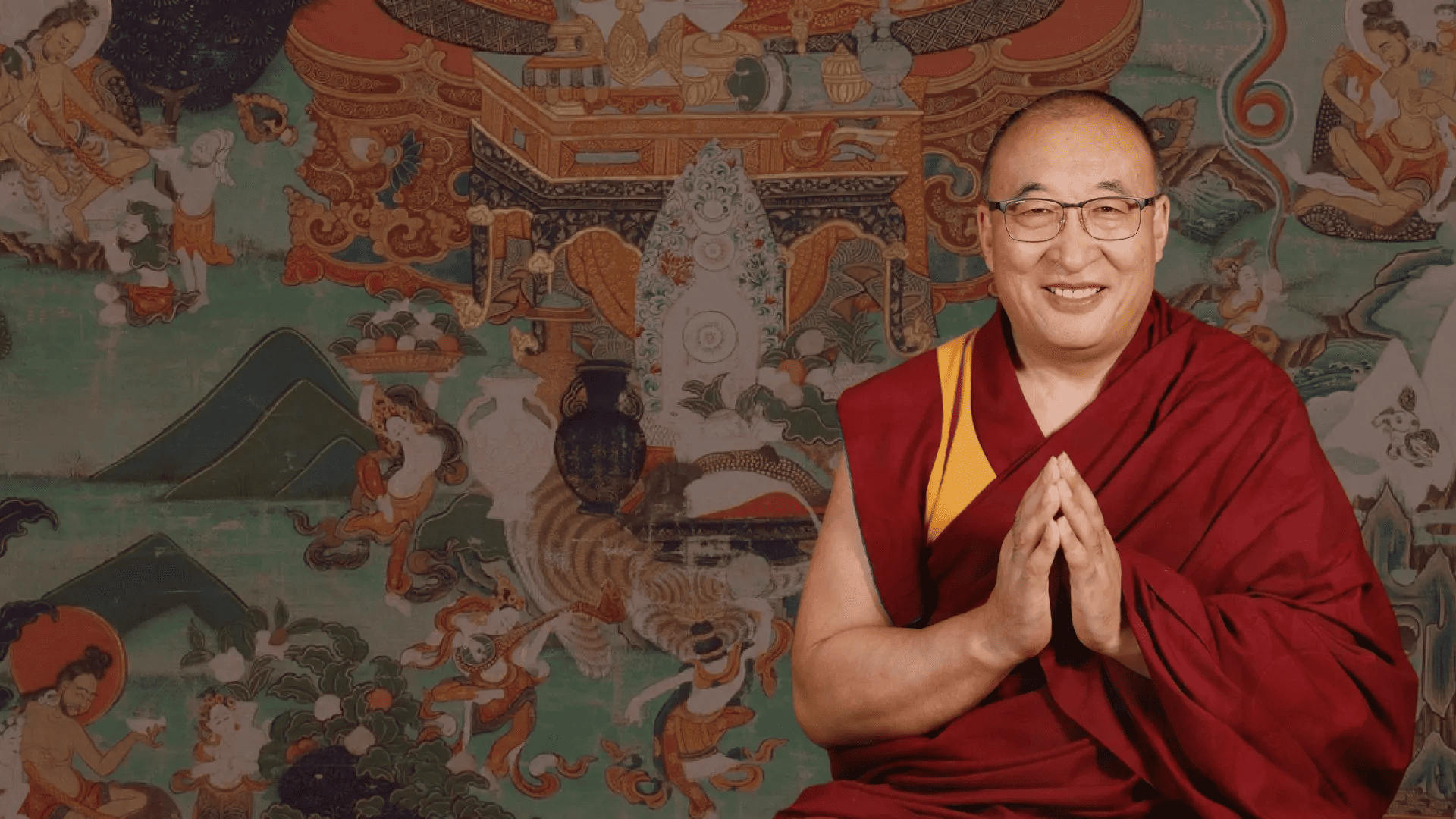
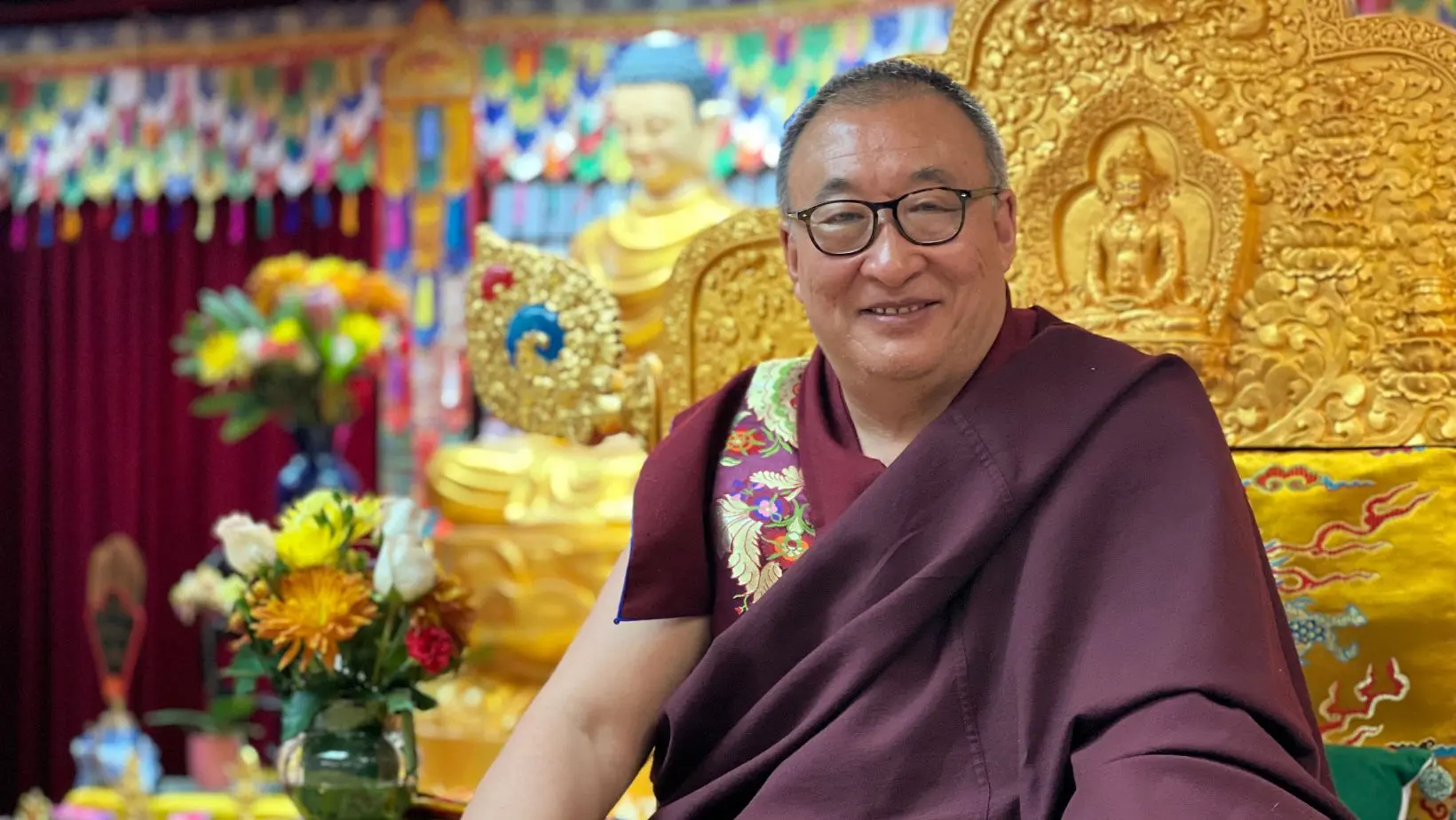
Shar Khentrul Rinpoché Jamphel Lodrö
Shar Khentrul Rinpoché è un maestro non-settario del Buddhismo Tibetano. Ha consacrato la sua vita a una vasta gamma di pratiche spirituali, studiando con oltre venticinque maestri di tutte le principali tradizioni tibetane. Pur avendo il rispetto più genuino e l’apprezzamento per tutti i sistemi spirituali, egli ha la massima confidenza e familiarità con il suo sentiero spirituale personale, ossia quello del Tantra di Kalachakra, così come viene insegnato nella tradizione Jonang-Shambala.Shar Khentrul Jampel Lodrö Rinpoché ha passato i primi 20 anni della sua vita a pascolare yak e a intonare mantra per l’altopiano tibetano. Ispirato dai bodhisattva, ha lasciato la sua famiglia per studiare in molti monasteri tibetani sotto la guida di più di 25 maestri di tutte le tradizioni del Buddhismo Tibetano. Grazie al suo approccio non-settario, si è guadagnato il titolo di Maestro Rimé (ossia privo di pregiudizi), ed è stato identificato come la reincarnazione del famoso Maestro Kalachakra Ngawang Chozin Gyatso. Khentrul Rinpoché è considerato la settima emanazione del Bodhisattva Akashagarbha.
Quando fu scelto come insegnante (khenpo) del prestigioso monastero Tsangwa dello Dzamthang, Rinpoché scelse di rinunciare alla sua posizione per dedicarsi rigorosamente alla pratica.
Anche se al nucleo dei suoi insegnamenti c’è il riconoscimento del grande valore insito nella diversità tra tutte le tradizioni spirituali riscontrabili in questo mondo, la sua attenzione è rivolta alla tradizione Jonang-Shambala. Come da lui constatato, il lignaggio Jonang, che molti studiosi occidentali ritenevano estinto, detiene i più avanzati insegnamenti del Kalachakra (ossia la ruota del tempo), che includono profondi metodi per armonizzare il nostro ambiente esterno con il mondo interno del corpo e con la mente illuminata.
A partire dal 2014, egli ha viaggiato per oltre trenta paesi, guidando i suoi studenti verso la realizzazione della propria verità sacra dalla infinita potenzialità, tramite una presentazione chiara, metodica e sequenziale del Sentiero del Kalachakra per l’Illuminazione. Insegnando alle persone a coltivare una mente flessibile e a rimuovere i pregiudizi, Khentrul Rinpoché aspira a creare delle comunità basate sulla compassione, che trasformino questo mondo in una età dell’oro, di pace ed armonia globali.
Biografia di Shar Khentrul Jampel Lodrö
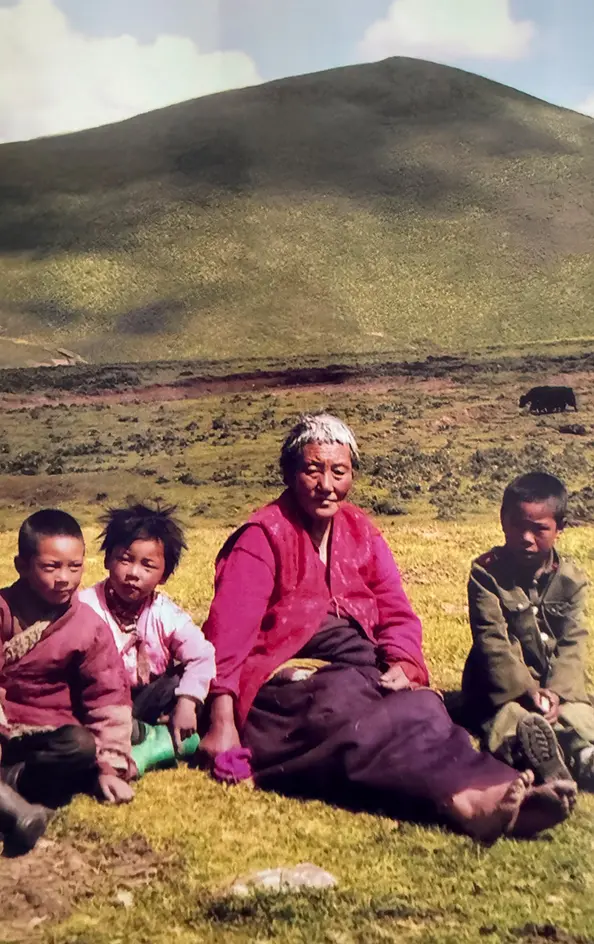
Khentrul Rinpoché è considerato la terza incarnazione del grande maestro del Kalachakra Ngawang Chozin Gyatso. Dalle sue umili origini di pastore nomade di yak, la sua vita lo ha esposto ad alcune esperienze davvero straordinarie. La seguente cronistoria evidenzia alcuni degli eventi chiave che hanno contribuito a plasmare la persona che è attualmente.

Un punto di vista imparziale
Khentrul Rinpoché Jamphel Lodrö è un maestro Rimé. Rimé” significa una visione “non settaria” o “non di parte”. Sebbene alcuni possano pensare che ciò sia collegato con l’idea che tutti i sistemi sono uguali, in realtà si tratta di riconoscere il valore e il beneficio di molteplici punti di vista. Khentrul Rinpoche ha scritto un libro intitolato “Ocean of Diversity” (L’oceano della diversità) che comprende tutte le tradizioni del Buddhismo Tibetano e molte delle tradizioni religiose presenti oggi nel mondo. Lavoriamo per coltivare un incrollabile e genuino rispetto per le diverse tradizioni, riconoscendo il valore di tutte le fedi. Siamo inclusivi e accogliamo praticanti di ogni provenienza.
Teachers
In Gratitude for All of Rinpoche’s Teachers The kindness of those who guide us to liberation is beyond measure. They teach the words of the Dharma, reveal their meaning, and lead us—step by step—toward direct recognition of our awakened nature. Khentrul Rinpoche offers heartfelt gratitude to the masters who have guided him in this lifetime. This list is offered in reverence and is not exhaustive—only a glimpse of the many teachers, and the living lineages they carried, whose compassion and wisdom he remembers with devotion.
བླ་མ་སྐལ་ལྡན།
Lama Kaldan
unsure: Unsure
Unknown Monastery
ས་མར་བླ་མ་དེ་ལོ།
Samar Lama Delo
unsure: Unsure
Unknown Monastery
རྗེ་བཙུན་བླ་མ་ཡོན་བརྟན་བཟང་པོ།
Jetsun Lama Yonten Zangpo
Jonang
Dzamthang Tsangwa Monastery
ཐན་
Thanthan Lama
unsure: Unsure
Unknown Monastery
མཁན་པོ་འཇིགས་མེད་ཕུན་ཚོགས
Khenpo Jigme Phuntsog
unsure: Unsure
Unknown Monastery
སྤྲུལ་སྐུ་ཨ་ཁུ་དགོད་པོ།
Aku Gopo
Nyingma - Dzogchen
Denong Monastery
ཨ་ཀུ་དགེ་ཁོ།
Aku Geko
Gelug
Kirti Monastery
ཤུག་ཆུང་མཁའ་འགྲོ་མ།
Shugchong Khandroma
Nyingma - Dzogchen
Shugchong Monastery
མཁའ་འགྲོ། ཏ་རེ་ལྷ་མོ།
Tare Lhamo
Nyingma
Nyanlang Monastery
བླ་མ་ལོང་ཚེར།
Lama Longtser
Sakya
Dewu Monastery
བླ་མ་བཤད་པ།
Akushabha
Sakya
Raktsa Monastery
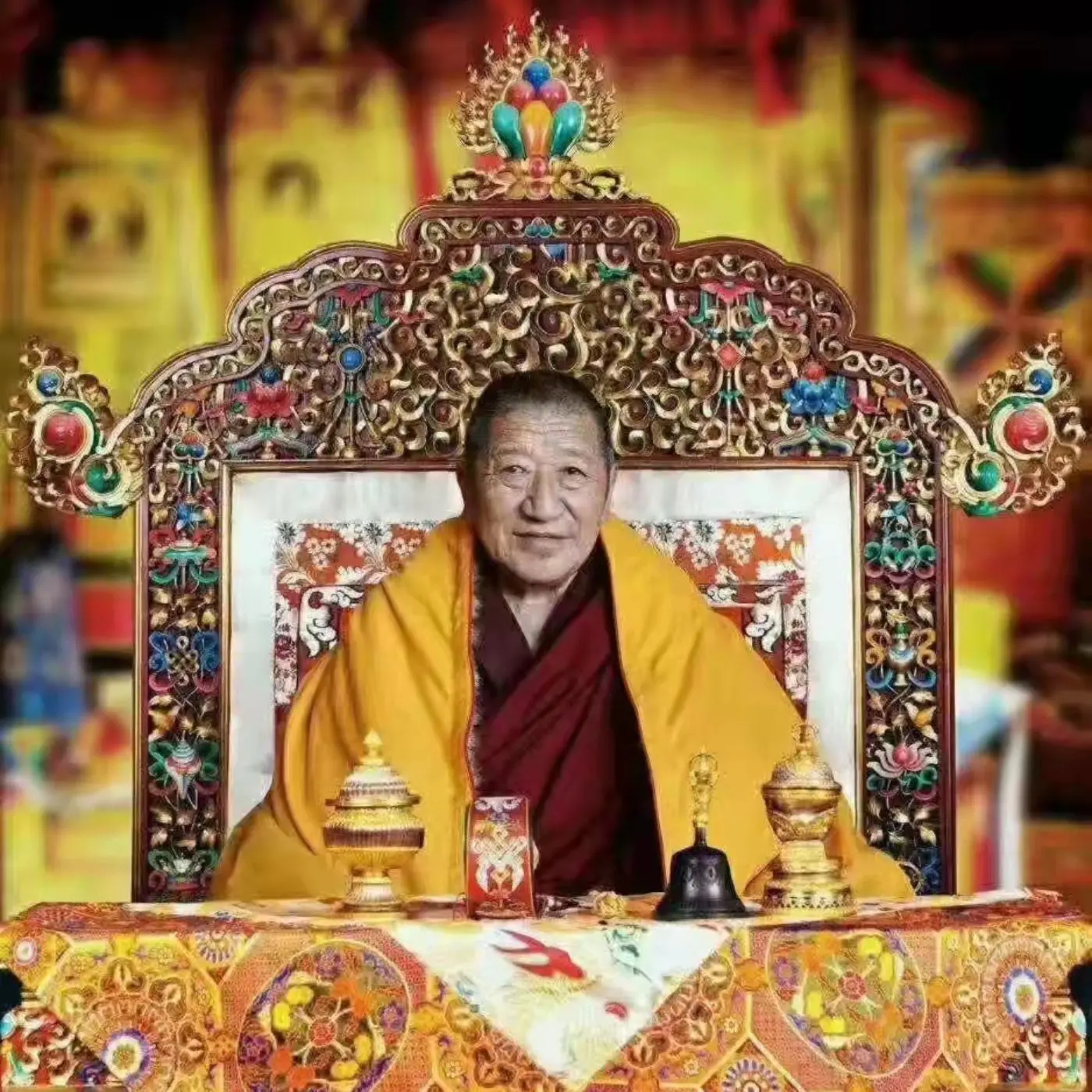
ཇོ་ནང་སྐྱབ་མགོན་མཆོག་སྤྲུལ་འཇིགས་མེད་རྡོ་རྗེ་མཆོག
HH Jonang Kyabgon Chogtrul Jigme Dorje
Jonang
Dzamthang Tsangwa
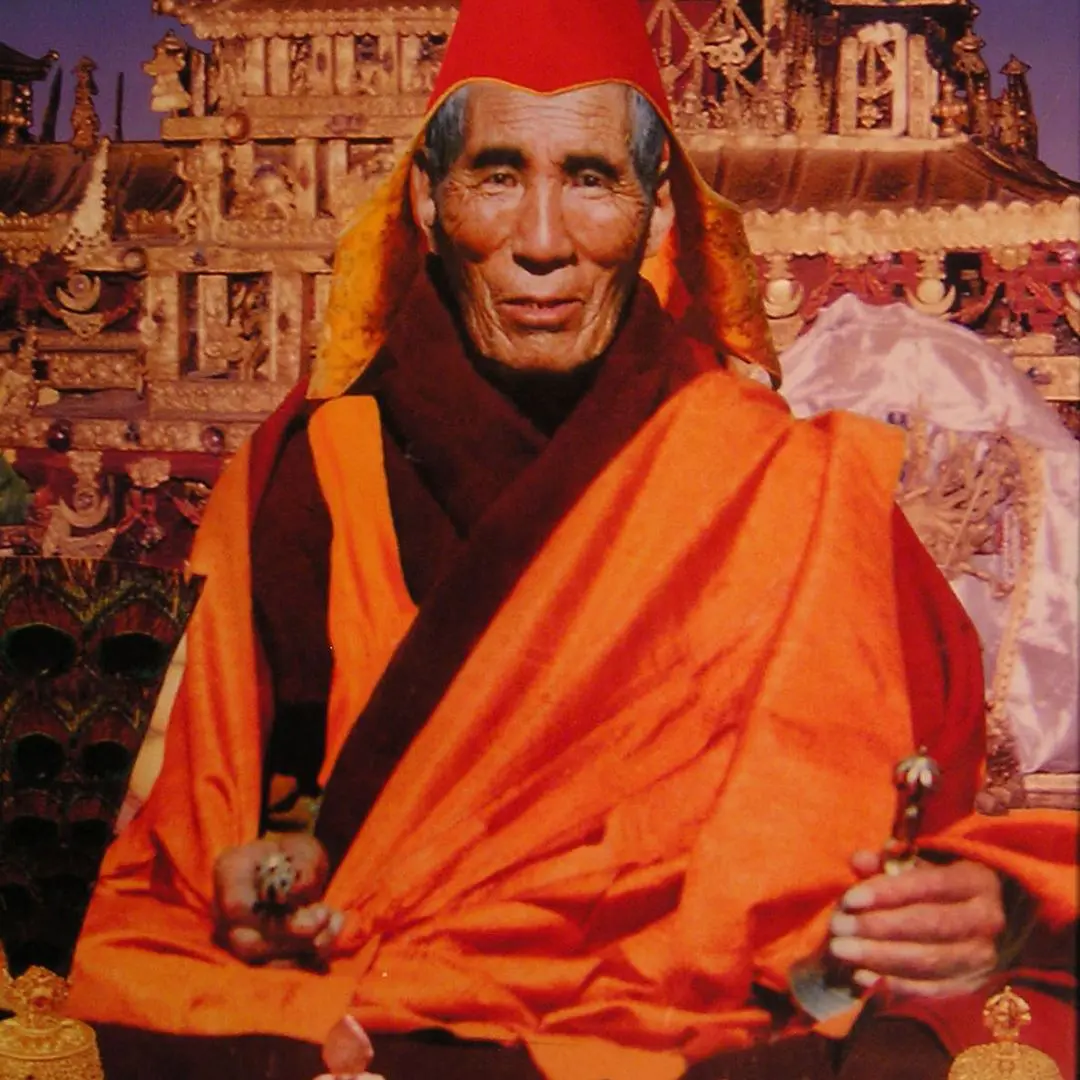
རྗེ་བཙུན་བླ་མ་བློ་བཟང་འཕྲིན་ལས།
Lama Lobsang Trinley
Jonang
Tashi Chöthang Monastery

Sagang Khenpo
Sakya
Thubten Tashi Gephel Ling Monastery
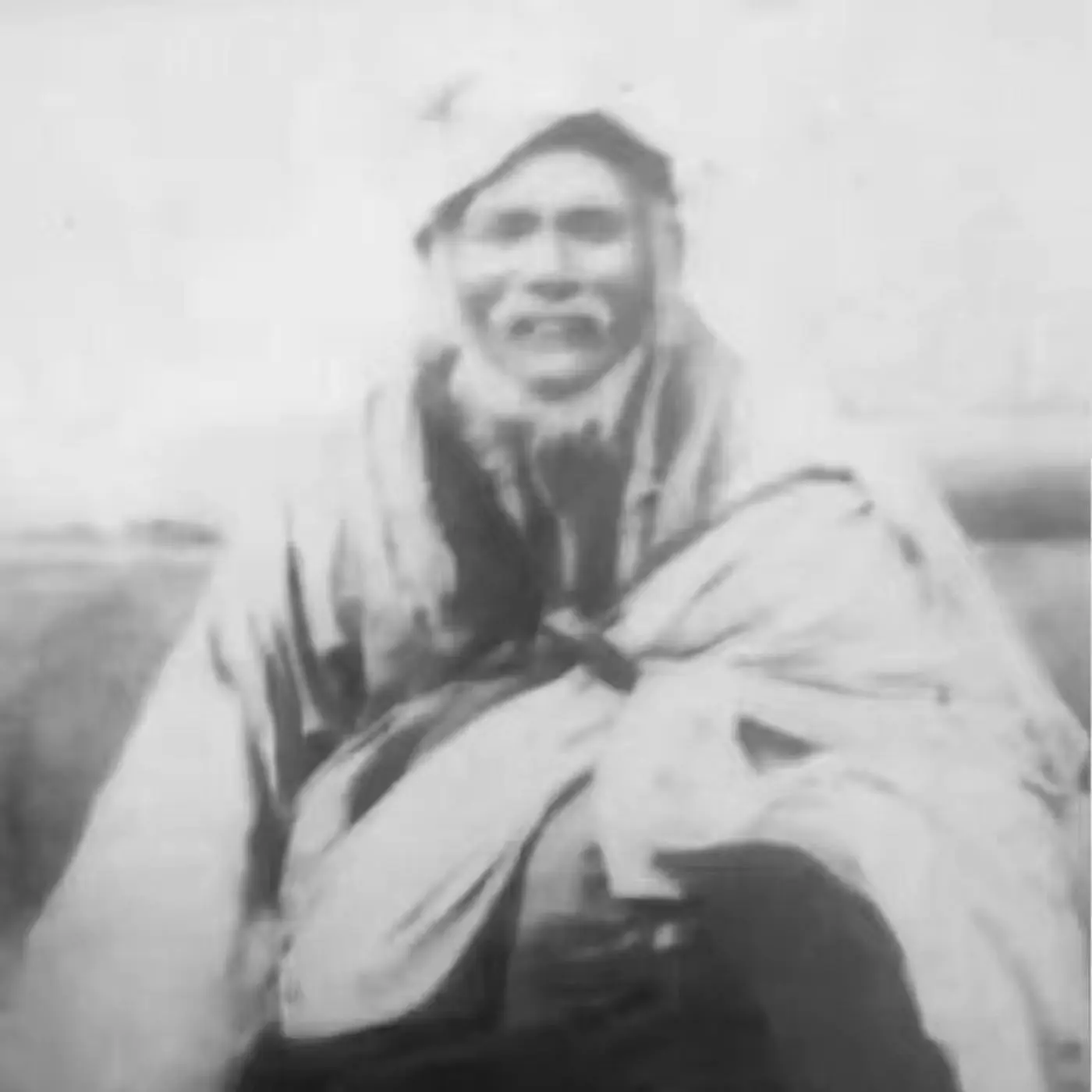
གཟན་དཀར་སྤྲུལ་སྐུ་བྱང་ཆུབ་རྡོ་རྗེ།
Zankar Tulku Jampchup Dorje
Kagyu
Yuthök Monastery
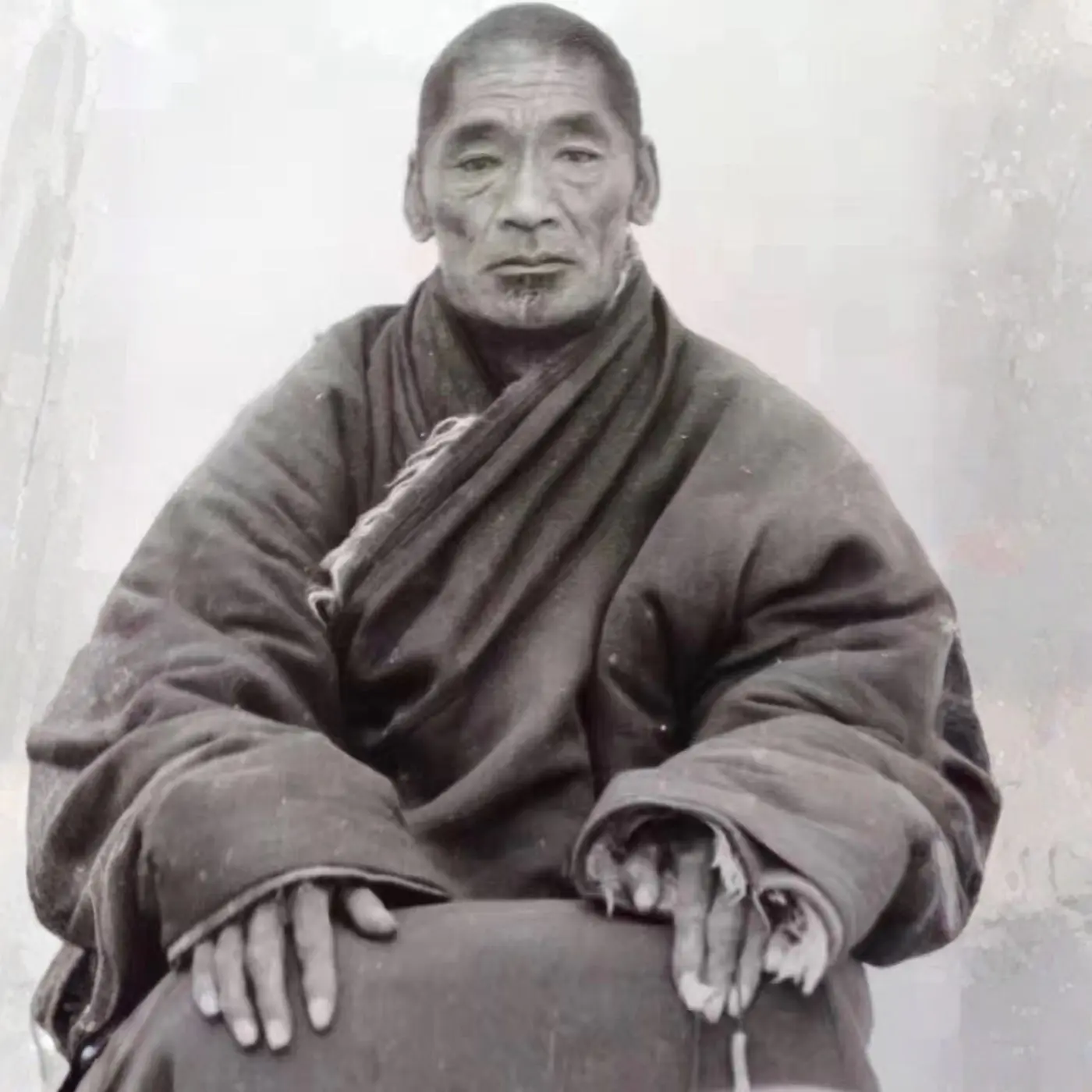
མཁན་པོ་ཤེས་སྟན
Lama Zharten
Jonang
Doli Doka Monastery

མཁན་པོ་ཕུན་ཚོགས།
Khenpo Phuntsok
Kagyu
Yuthök Monastery
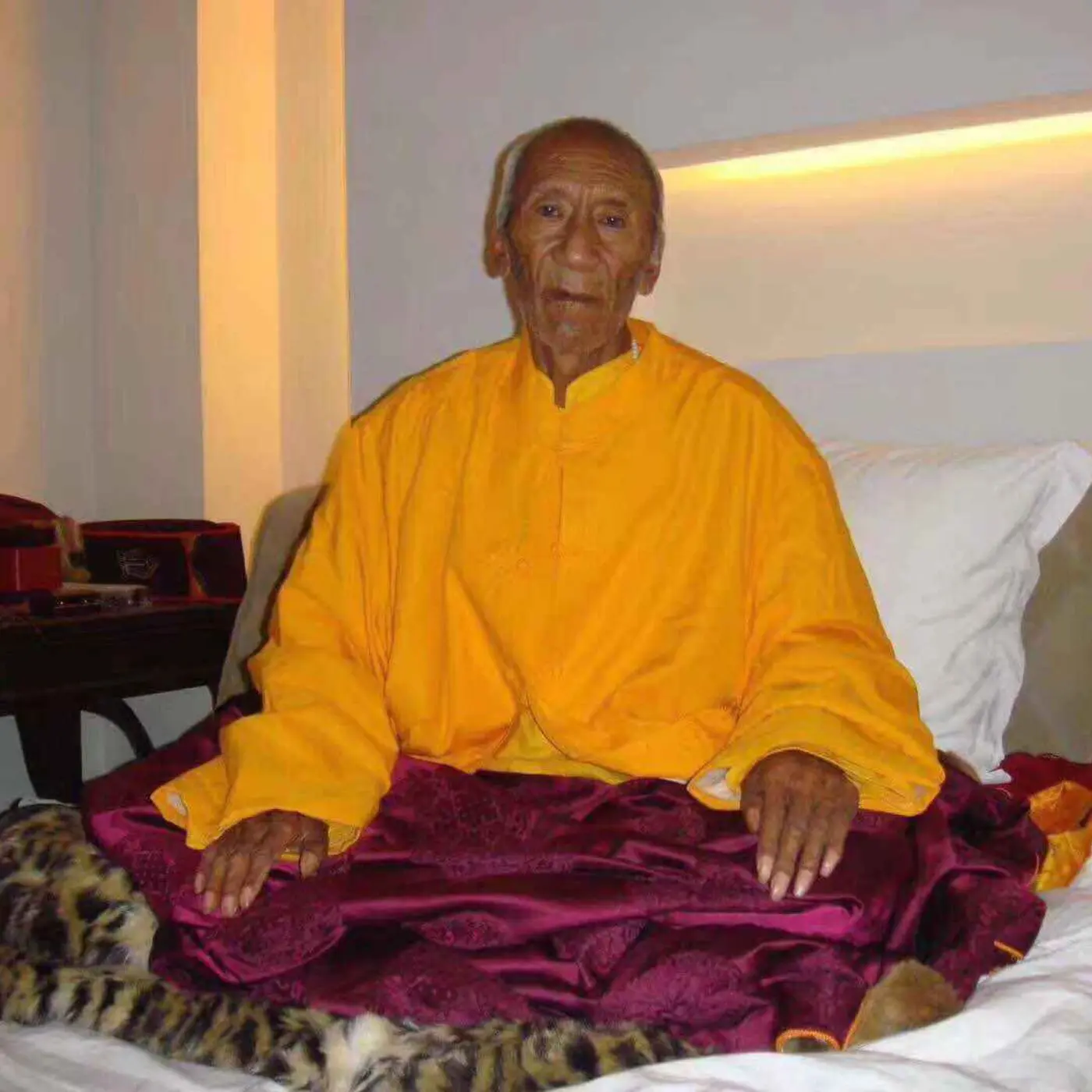
མཁན་པོ་འཇམ་སེར།
Khenpo Jamser
Kagyu
Yuthök Monastery
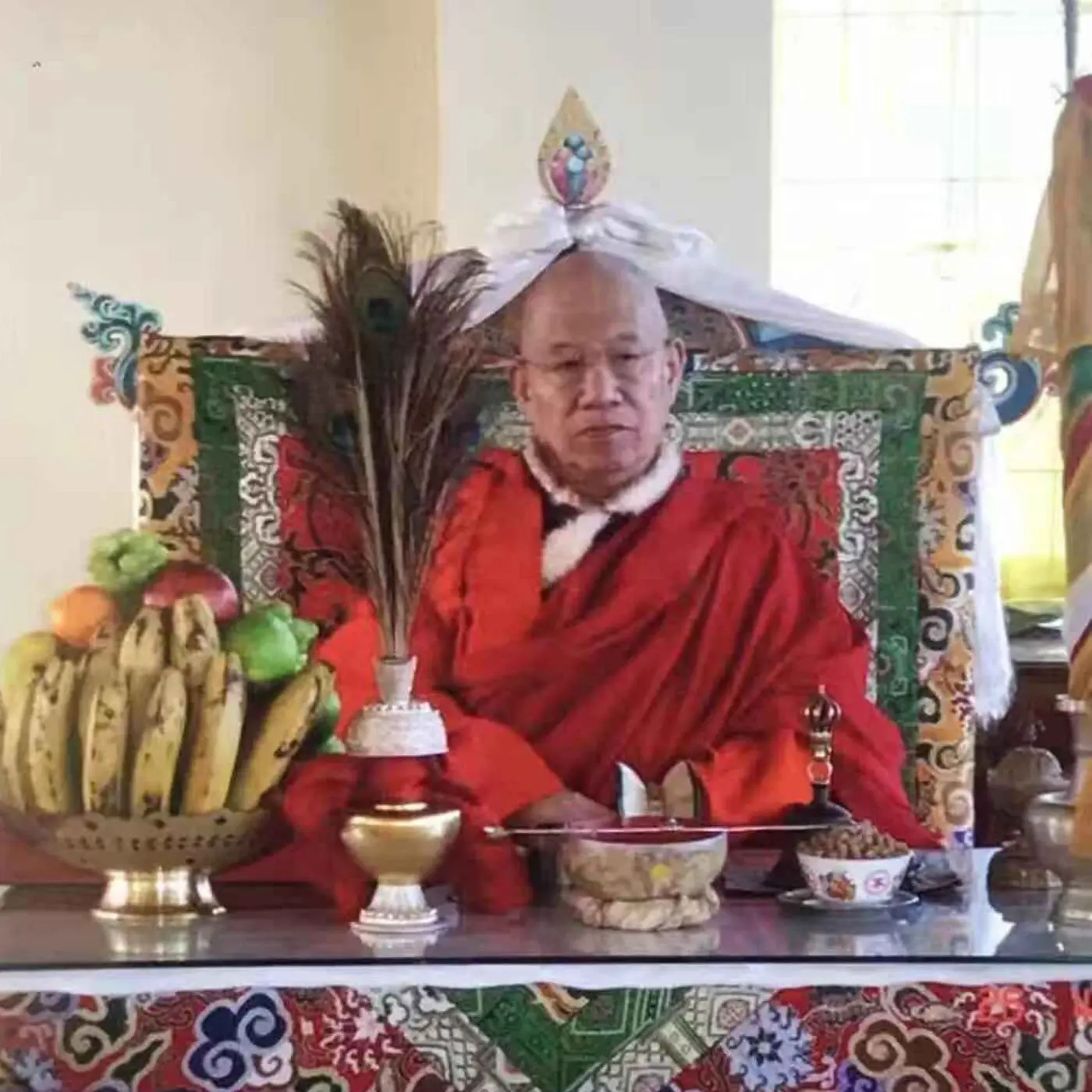
རྡོ་གྲུབ་སྤྲུལ་སྐུ་ཐུབ་པ།
Dodrupchen Rinpoche
Nyingma - Dzogchen
Drupchen Monastery Tibet
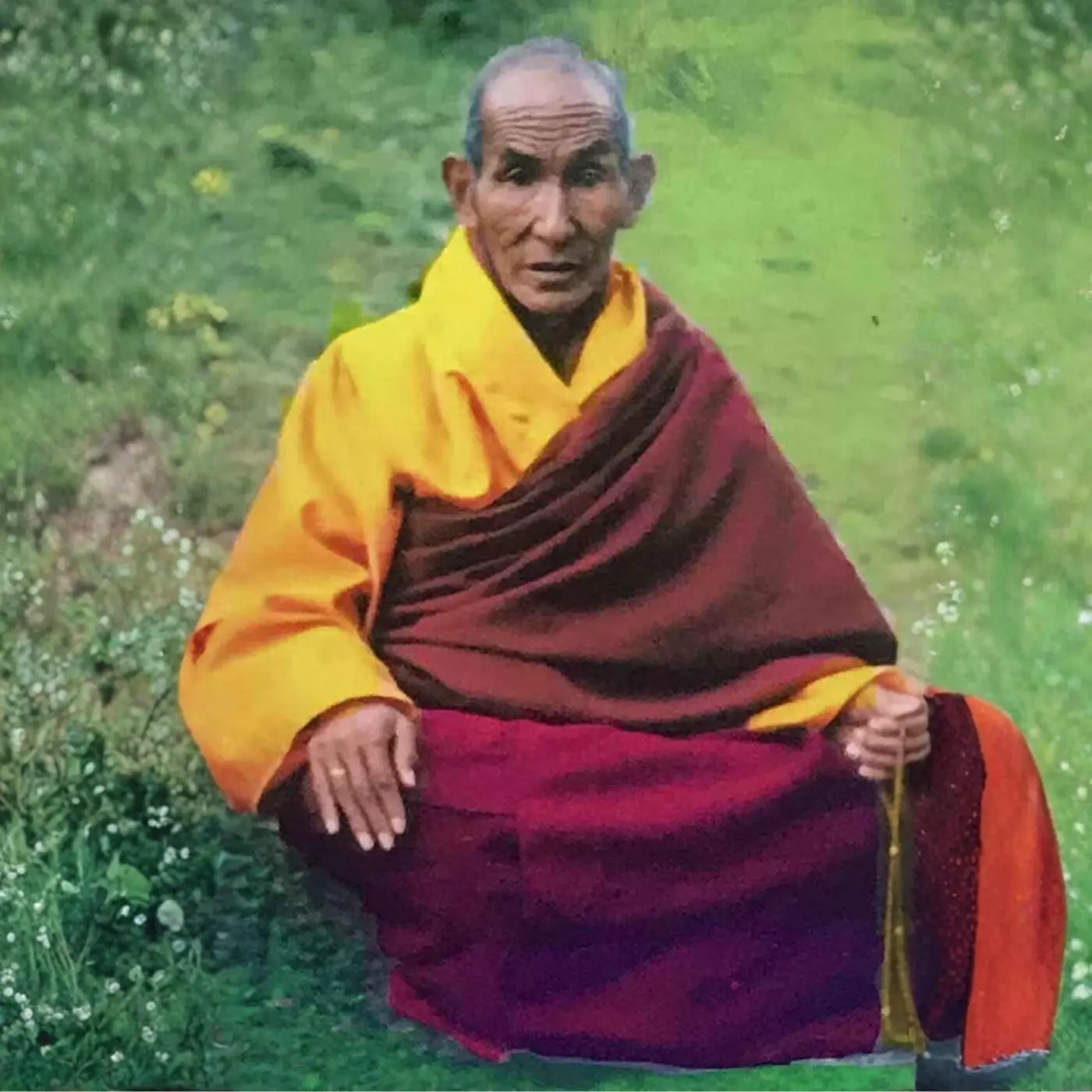
སྤྲུལ་སྐུ་ཀརྨ་བསོད་ནམས།
Tulku Karma Sonam
Kagyu
Yuthök Monastery
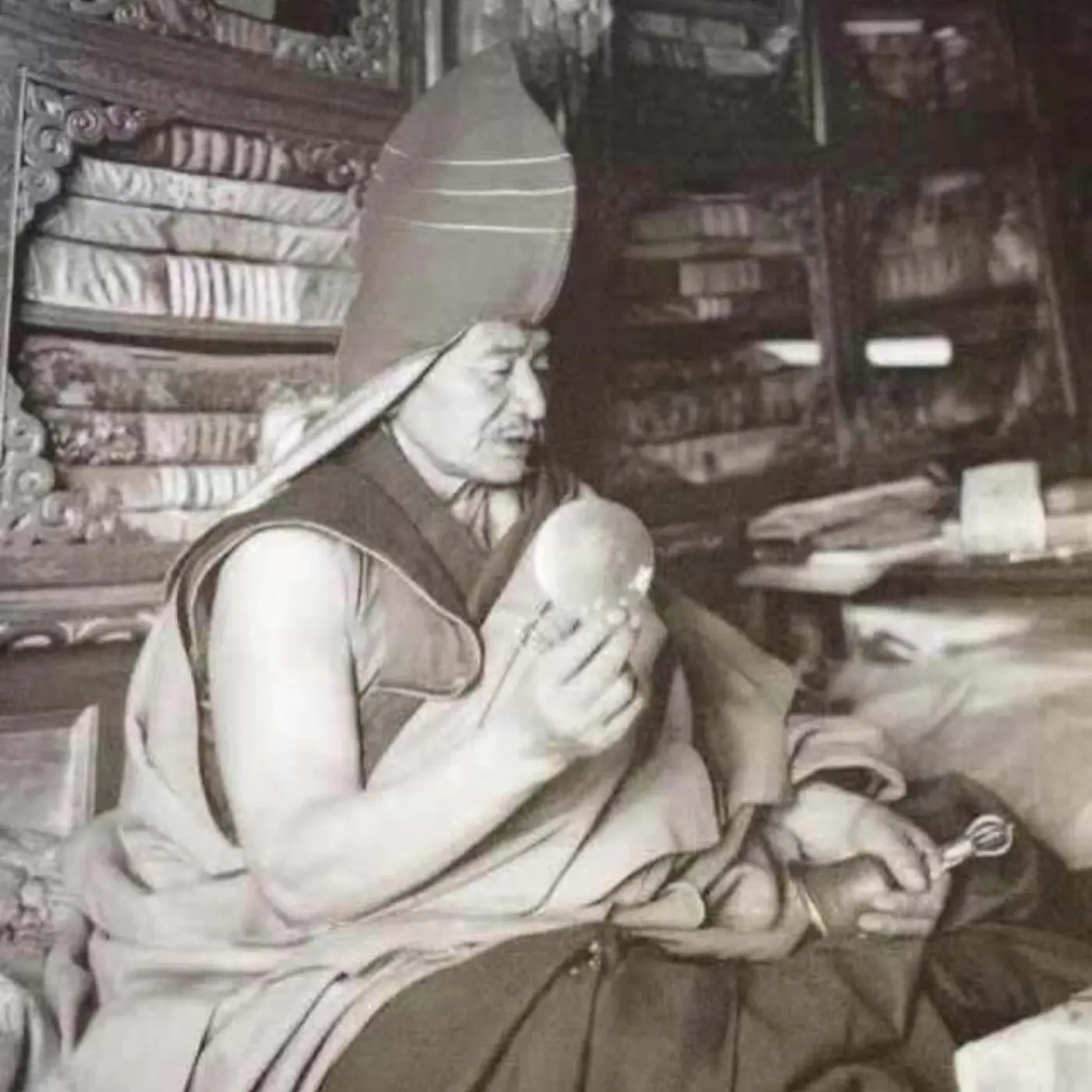
མུག་ཡང་མཁན་པོ་ཚུལ་ཁྲིམས།
Mukyang Khenpo Lobsang Tsultrim
Nyingma - Dzogchen Nyingtik
Dongzang Monastery
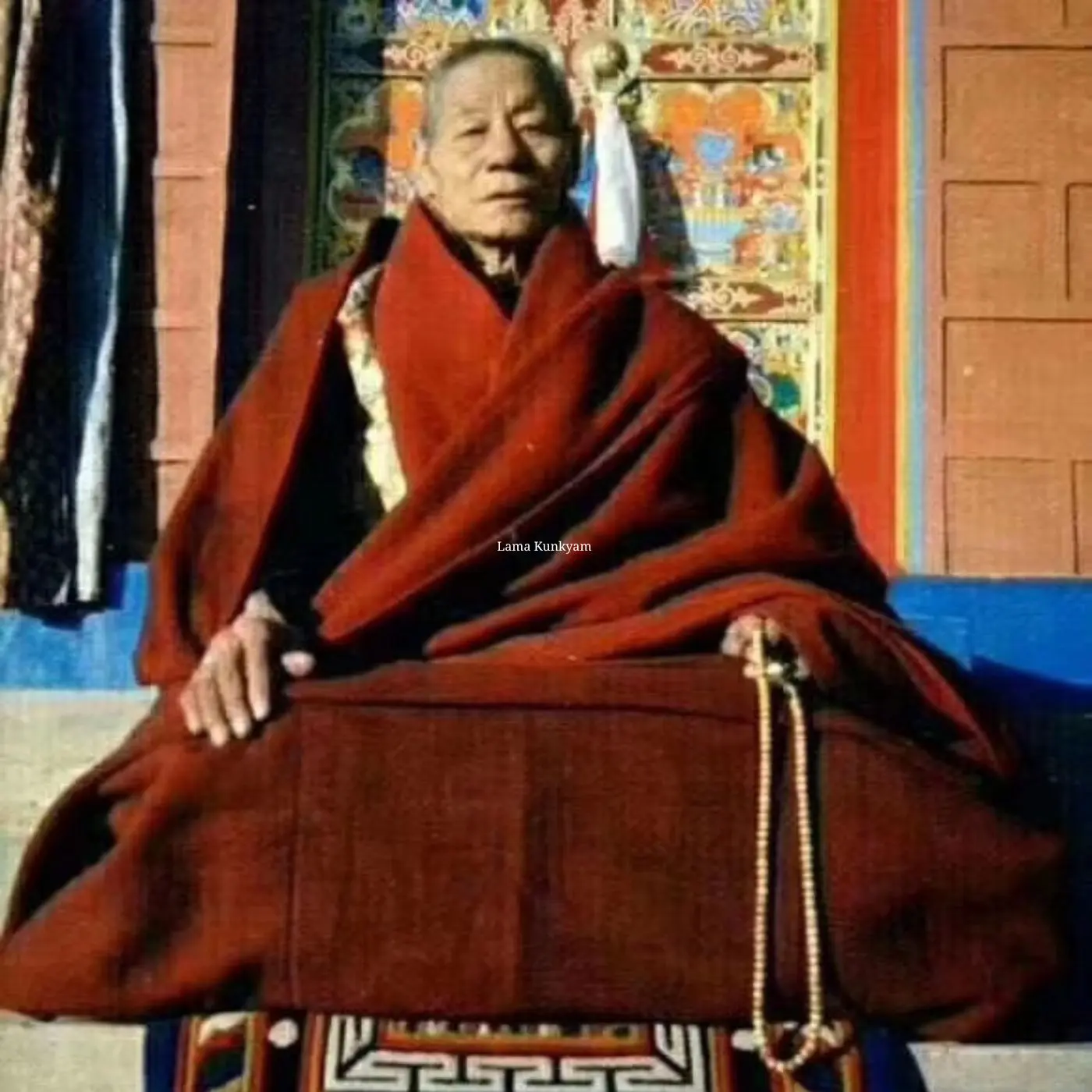
བླ་མ་ཀུན་རྒྱམ།
Lama Kunkyam
Nyingma - Kathok
Denong Monastery
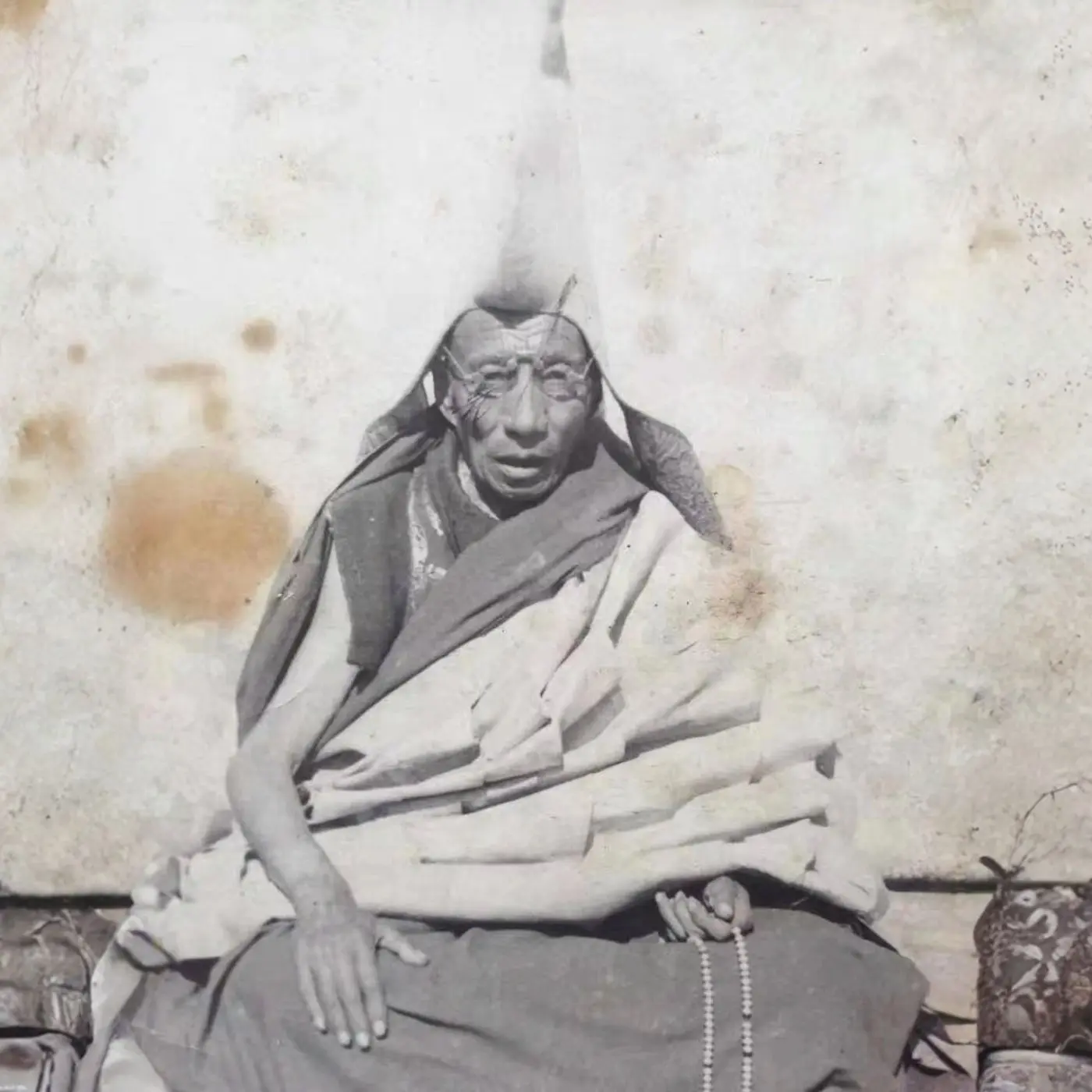
ཀློ་བླ་སྤྲུལ་སྐུ་ཀ་དག
Tulku Katag
Nyingma - Dzogchen Nyingtik
Denong Monastery

མཁན་པོ་སངས་རྟན།
Khenpo Sangten
Nyingma - Palyul
Denong Monastery
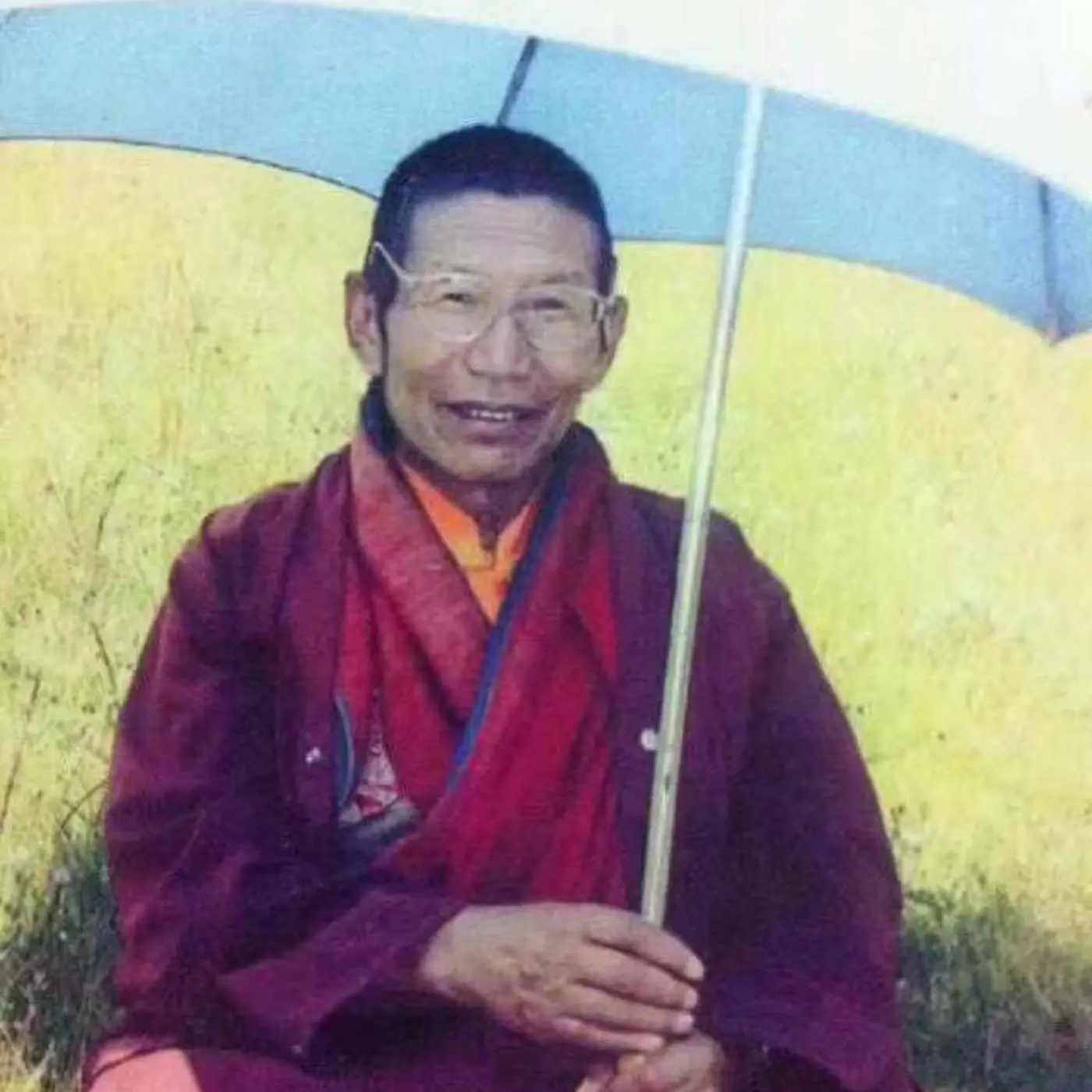
རྟ་བ་བླ་མ་རྣམ་གྲོལ།
Tawa Khenpo Jigme Namdrol
Nyingma - Kathok
Tharthang
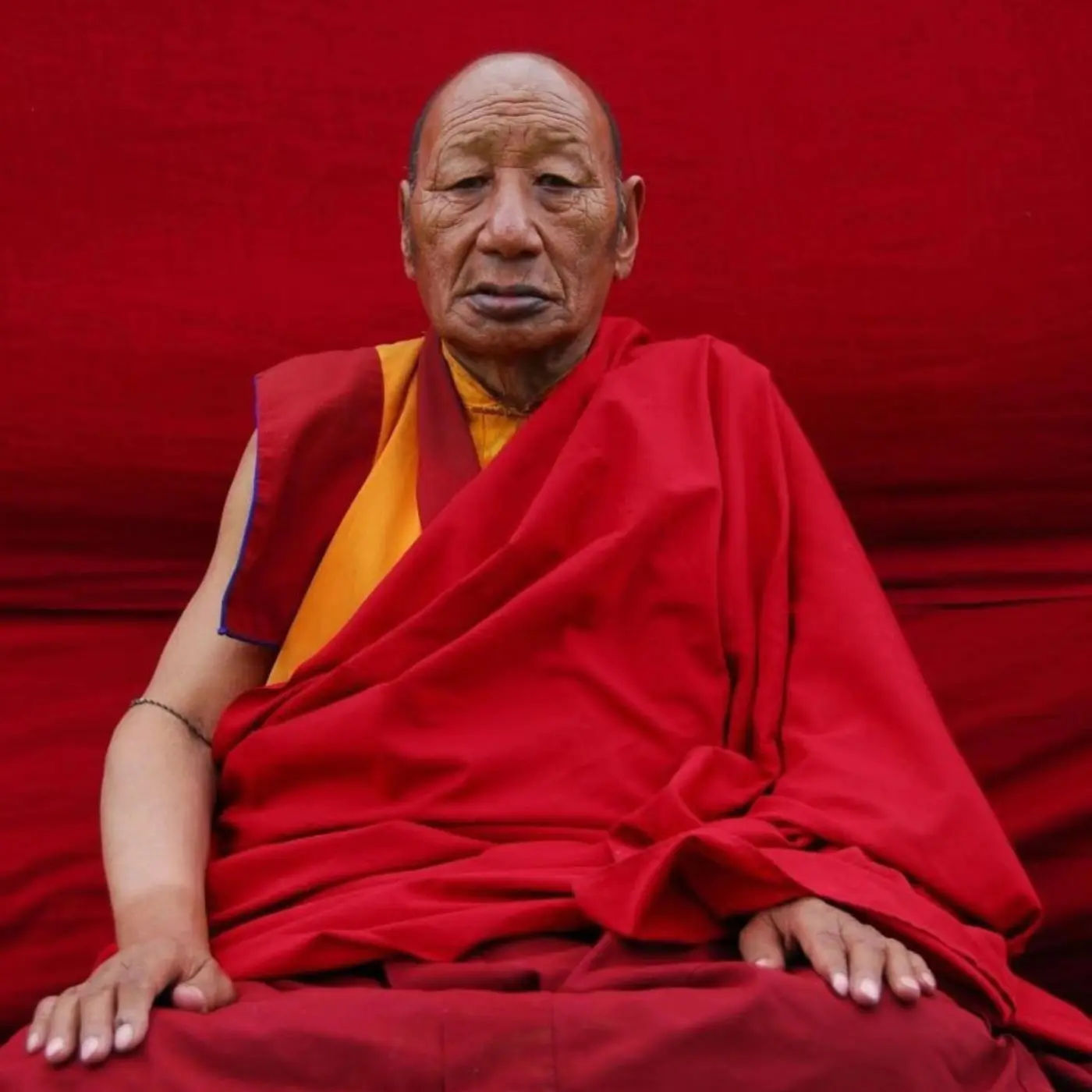
བློ་མ་བློ་རྒྱམ།
Lama Logyam
Nyingma - Kathok
Denong Monastery
མཁན་པོ་བློ་ཚུལ།
Khenpo Lotsul
Nyingma - Palyul
Tharthang Monastery
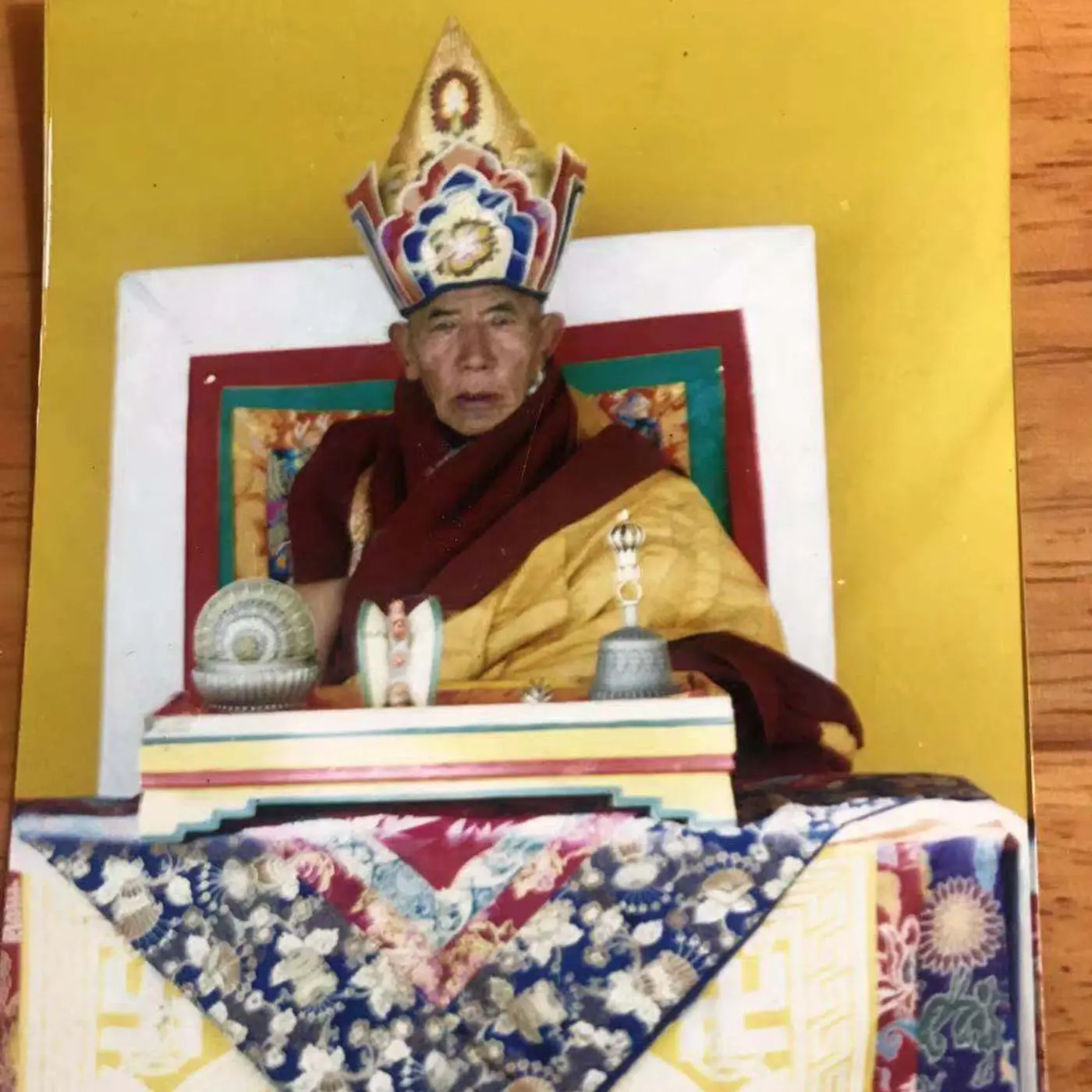
མཁན་པོ་འོད་ལྡན།
Khenpo Öden
Nyingma - Palyul
Tharthang Monastery
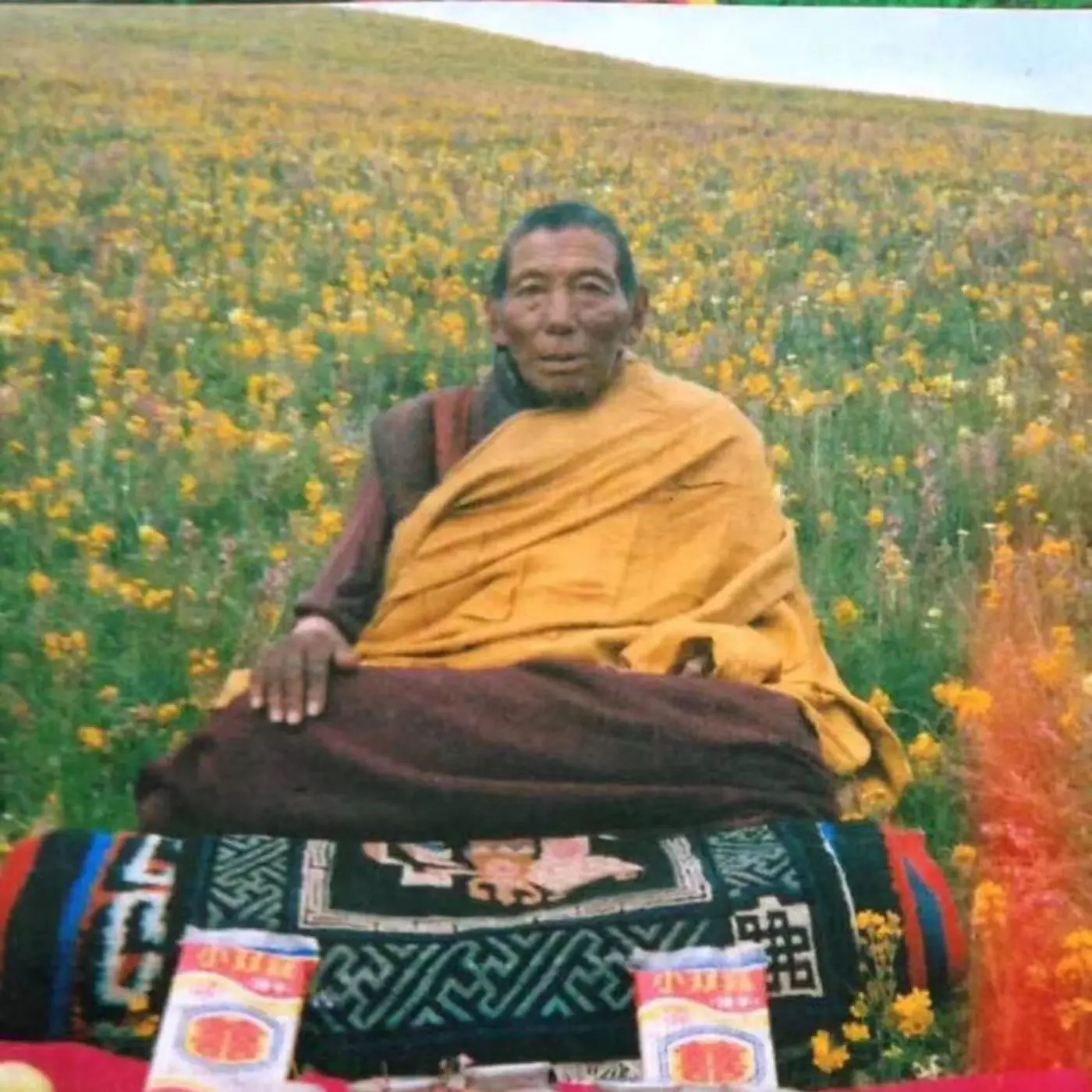
རྒྱ་སྒོ་བླ་མ་ངག་བློས།
Gyago Lama Ngaklu
Jonang
Jonang Shol Monastery

མཁན་ཆེན་ཤེས་རབ་གསལ་བྱེད།
Khenpo Sherab Saljay
Jonang
Jamdha Monastery

Khenpo Jigten
Nyingma - Palyul
Tharthang Monastery
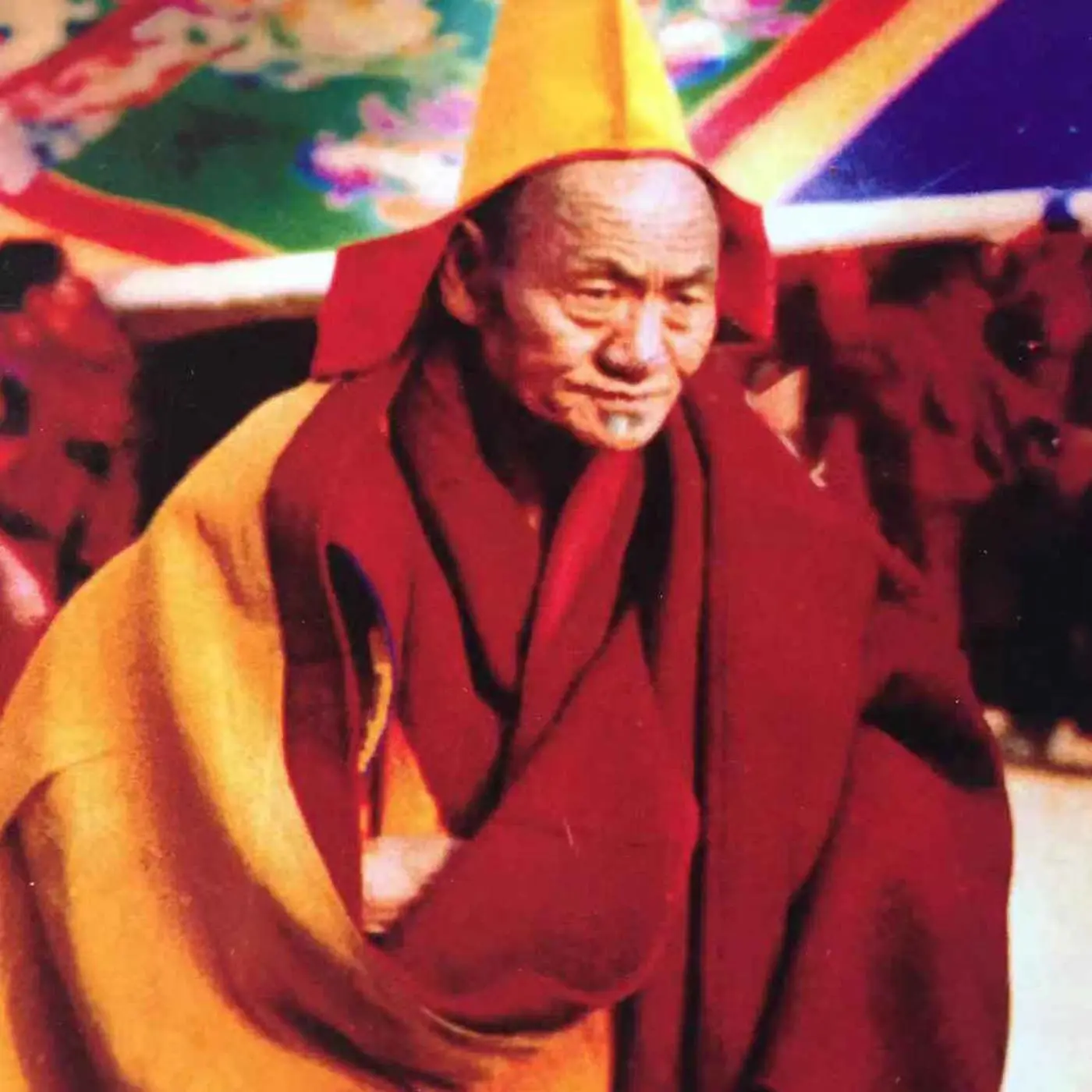
མཁན་པོ་ཨ་ཁུ་བློ་བརྟན།
Khenpo Arik Lothen
Gelug
Kirti Monastery

དཀར་རྒྱ་ལུང་རིགས།
Kyagya Longrik
Gelug
Kirti Monastery
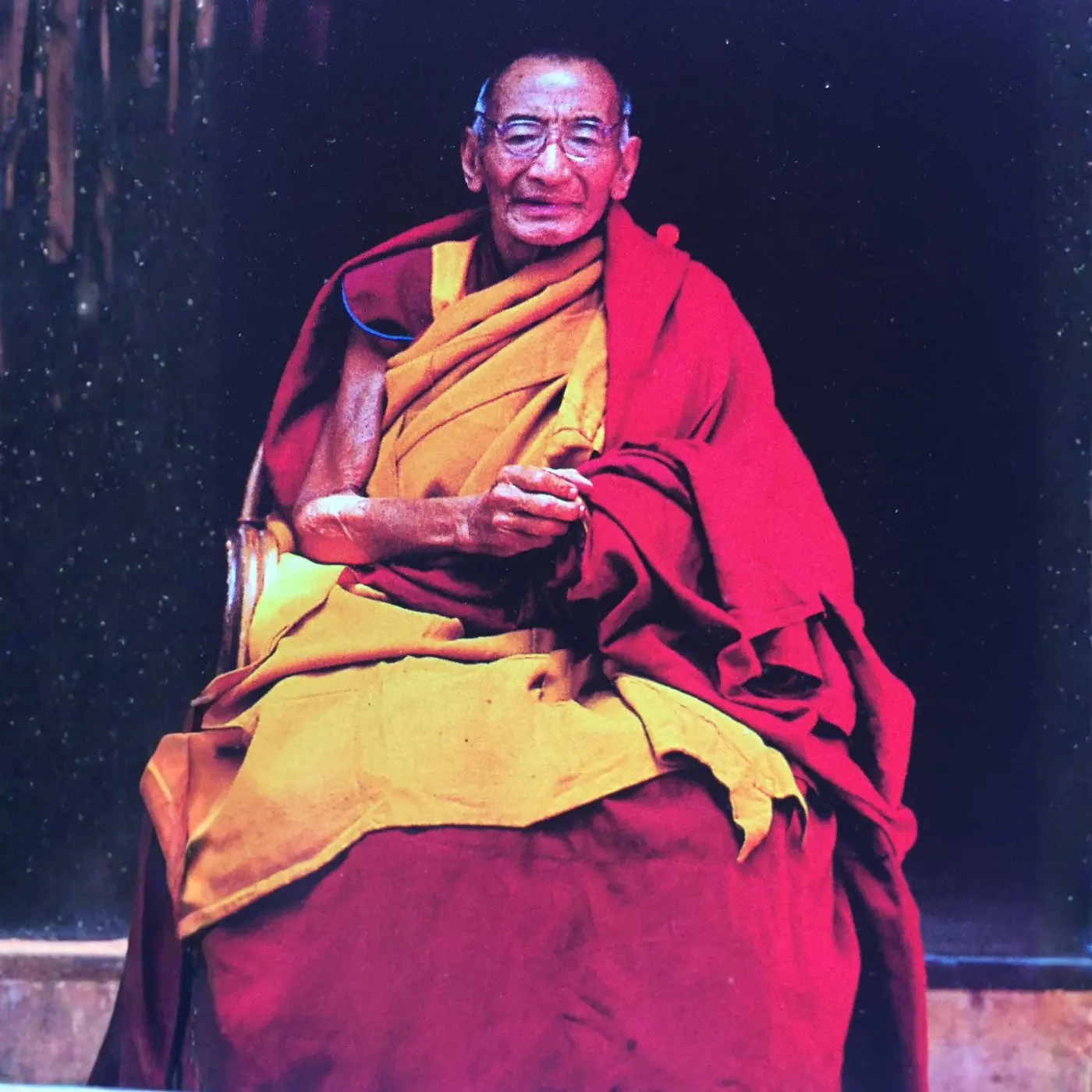
མཁན་པོ་ཨ་ཁུ་ཐབས་མཁས་སང་།
Khenpo Aki Tamchösang
Gelug
Kirti Monastery
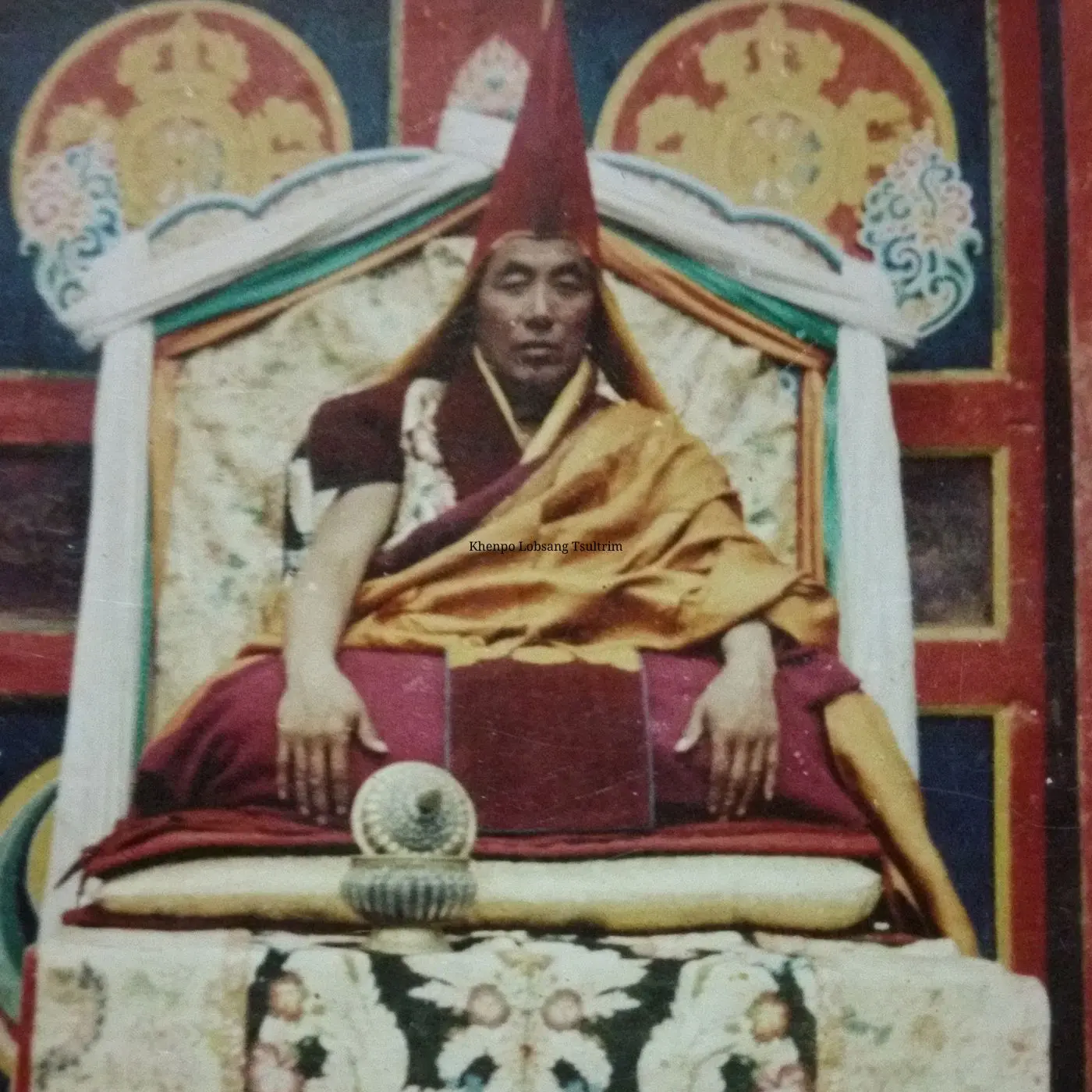
མཁན་པོ་བློ་བཟང་ཚུལ་ཁྲིམས།
Khenpo Lobsang Tsultrim
Nyingma - Palyul
Tharthang Monastery

སྤྲུལ་སྐུ་བློ་བཟང་ནོར་བུ།
Tulku Lobsang Norbu Tharthang
Nyingma - Palyul
Tharthang Monastery
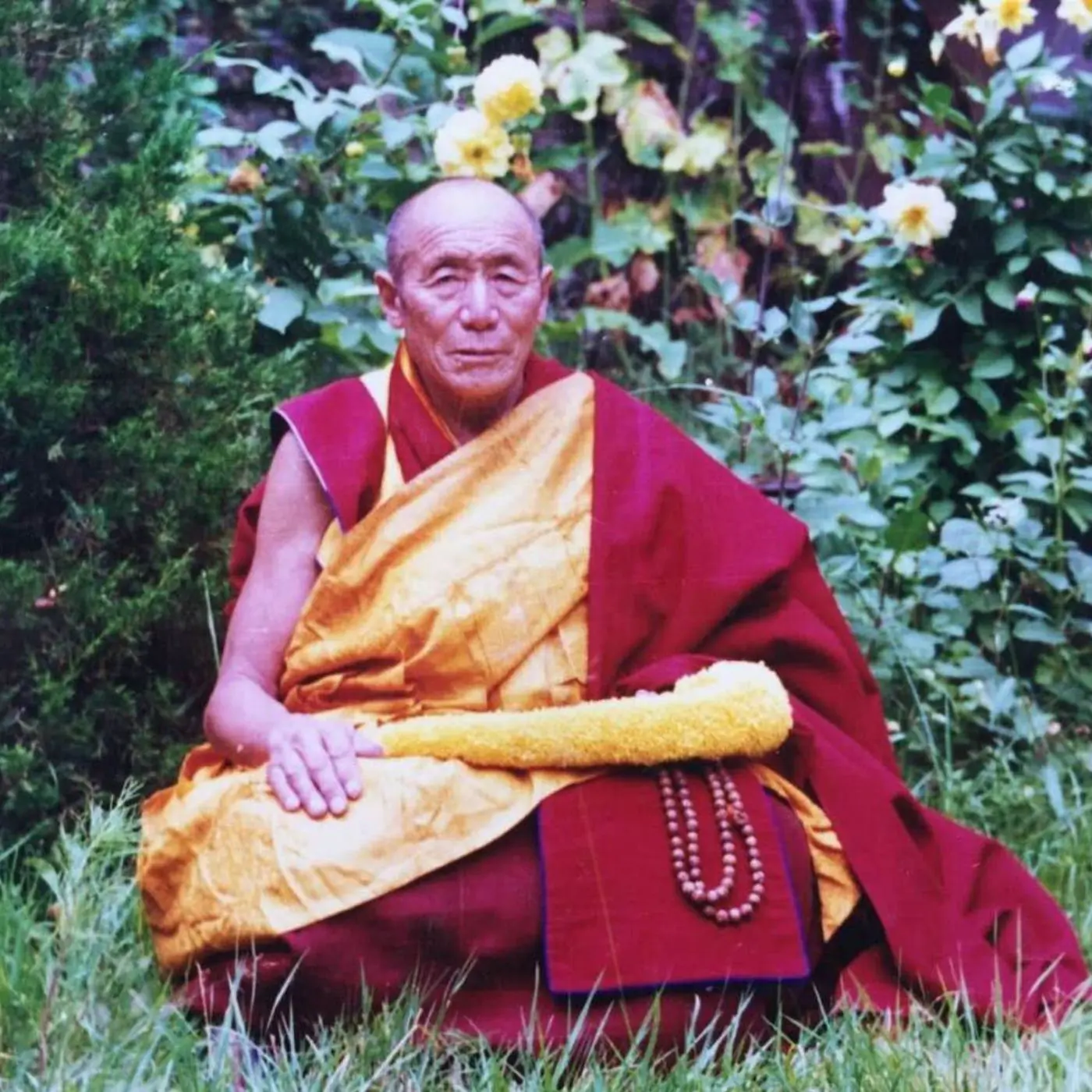
དམར་དབང་སྤྲུལ་སྦྱིན་པ་རྒྱ་མཚོ།
Marwan Tulku Jinpa Gyatso
Gelug
Kirti Monastery
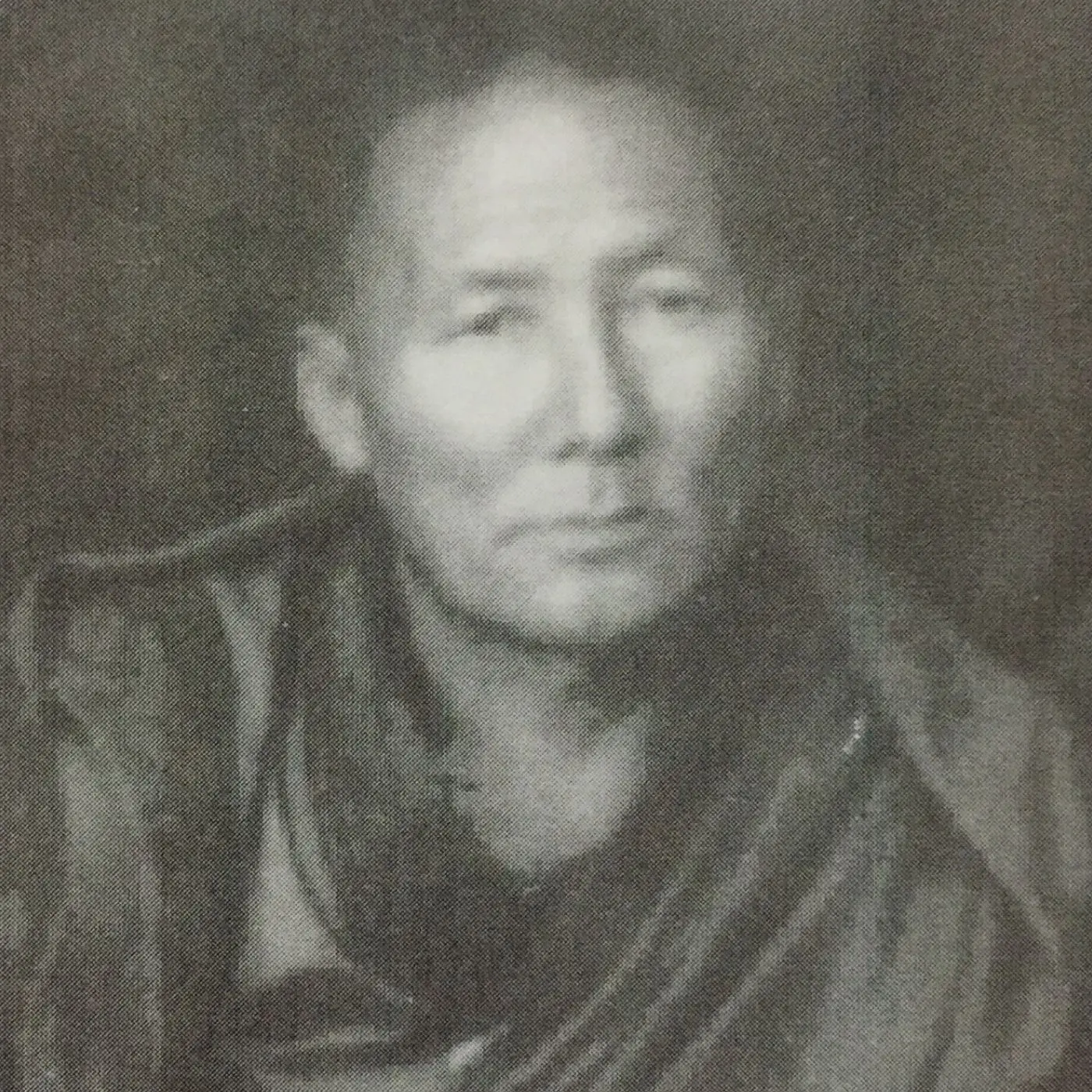
ཨ་ཁུ་བློ་གྲོས་རྒྱ་མཚོ།
Aku Lodrö Gyamsto
Gelug
Kirti Monastery

ཨ་ཁུ་འཇིགས་རྒྱམ།
Aku Jigyam
Gelug
Kirti Monastery
Lineage of the Parents
FATHER
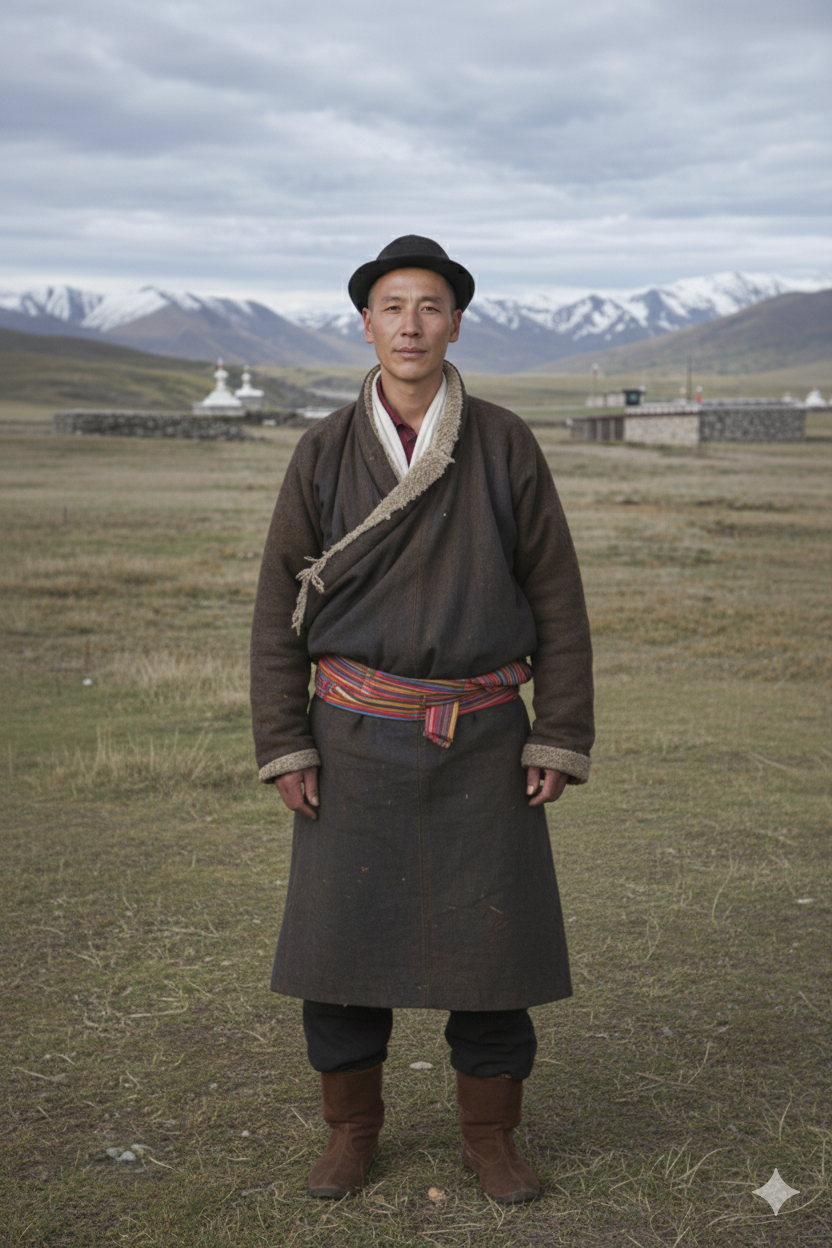
ཕ་ཤར་ཐུབ་བསྟན།
Aph Shar Thubtan
A respected thangka painter, known for integrity and devotion to the Dharma
Khentrul Rinpoche’s father was a deeply accomplished Nyingma practitioner, tantric monk, and master thangka painter. Due to the political circumstances of the time, he was forced to disrobe, yet his inner realization and devotion to the Dharma never wavered. He personally taught Khentrul Rinpoche many mantras, prayers, and foundational practices, planting the karmic seeds for Rinpoche’s future path.
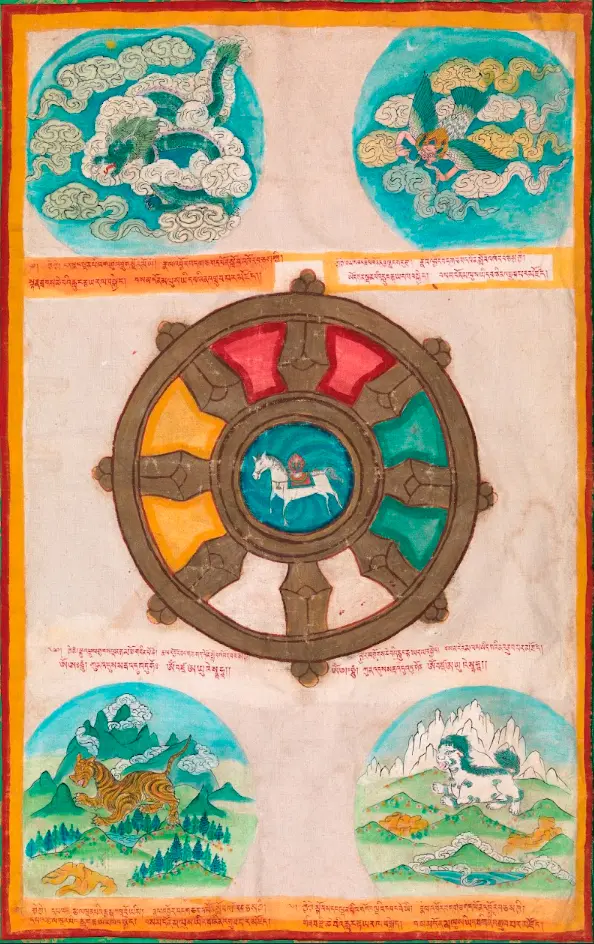
As a gifted artist, he created the essential conditions for the Drolmi Kazug Puja by painting two extraordinary thangkas: one depicting the 21 Taras and another of the five Lungta animals. When Khentrul Rinpoche was 19 years old, his father traveled to paint the walls of a newly re-established monastery, where he passed away on the monastery grounds. This profound and karmically charged moment became a turning point in Rinpoche’s life, inspiring him to enter monastic life and dedicate himself fully to the Dharma.
Earlier in his life, a lama performed a mirror divination predicting that Rinpoche’s father would be reborn as a great tantric practitioner in Rebkhong, Amdo. After his passing, a different lama independently confirmed the same prophecy, affirming the depth of his realization and his ongoing connection to the tantric lineage.
Sacred Images
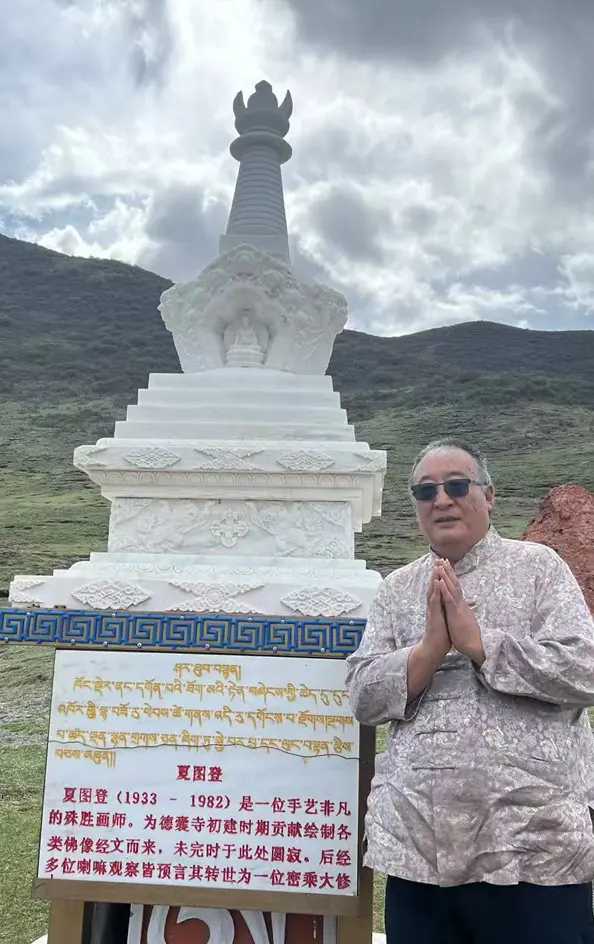
MOTHER
ཨ་མ་ཤེས་རབ་སྒྲོན་མེ།
Ama Sherab Dronme
A strong woman of faith and devotion, who inspired Rinpoche
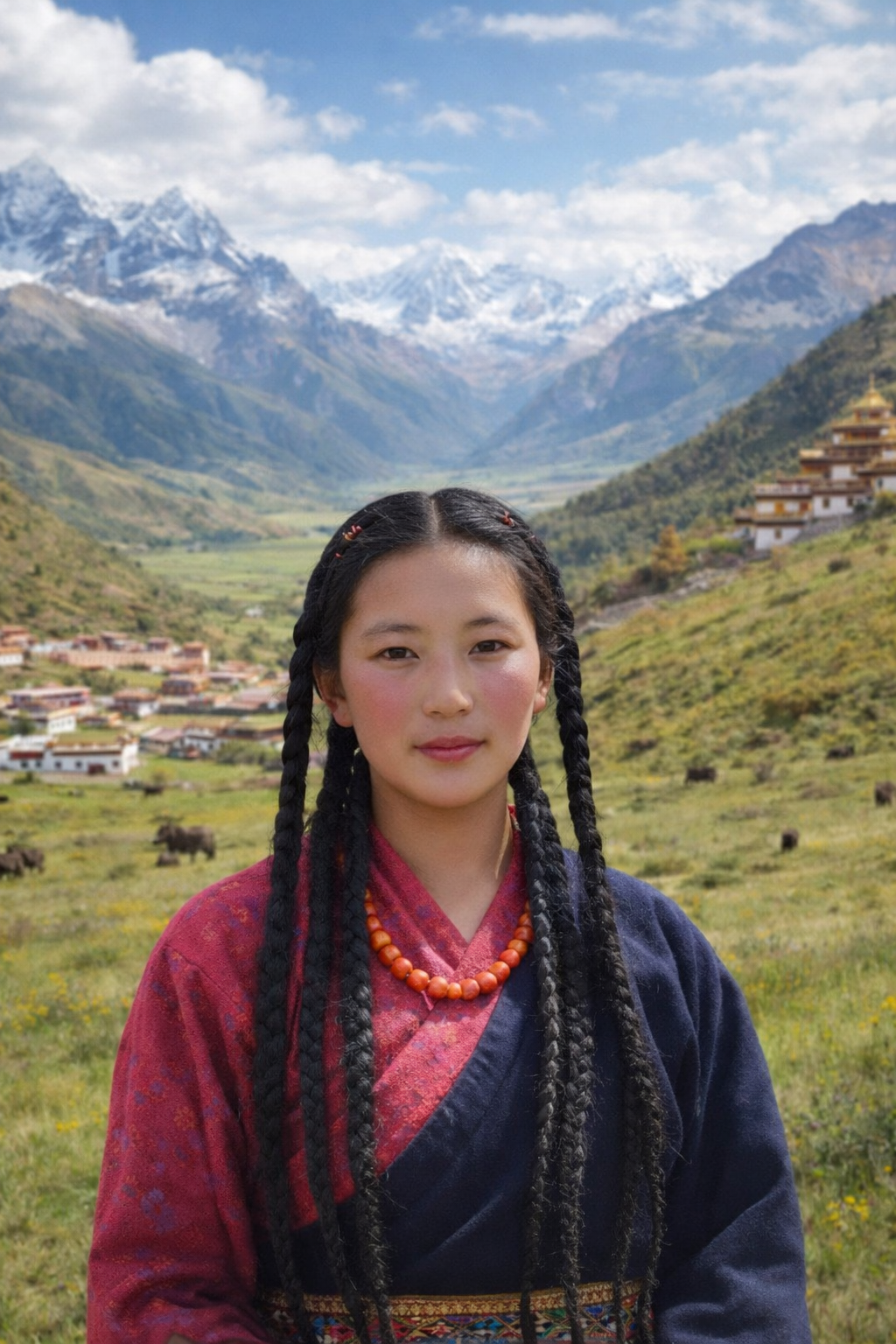
Sherab Drolmé was a great practitioner from childhood. In her youth, she often ran away from her samsaric home to seek a life of Dharma as a nun, but her family set out on horseback to recapture her and bring her home. One day, she met a Dakini who told her not to run away. The Dakini told her that she had the karma to marry two tantric monks and would have great children born to her. At this time, many of the monks were forced to practice secretly within marriage. The Dakini said, “Don’t worry, one day you will have a chance to practice dharma seriously.” Sherab Drolme studied the Dharma and became devoted to her teacher, Getsé Khentrul. She married two times to tantric monks, with Rinpoche’s father being her second husband. She was separated from her beloved teacher, Getsé Khentrul, who promised her not to worry that he would return very soon. Unbeknownst to her, he passed away. During her pregnancy, she dreamed he was returning and returned to her as Khentrul Rinpoche. Many people in different areas of Tibet (China) secretly confirmed his reincarnation and that her teacher had passed away. All of Sherab Drolmé’s children are monastic or dedicated practitioners. She practiced seriously for the rest of her life. The villagers asked the Jonang Lama Salden where she was reborn when she passed away. He said she went to Sukhavati. In another place simultaneously, the Nyingma Khandroma Kunla said the same thing.
Sacred Images