
 March 21, 2026
  4:00 pm -
6:00 pm
4:00 pm -
6:00 pm  報名
報名 活動詳情
《卓秋百訣竅》གྲོལ་མཆོག་ཁྲིད་བརྒྱ།,乃覺囊派繼承的一百零八種訣竅、導引,又稱「《覺囊百教》」、「《覺囊百八教》」。最初由博學多聞的覺囊大師 恭噶卓秋(1507-1566)所匯集,從而為利美運動奠定了基礎。他的轉世化身 至尊‧多羅那他(1575-1634)延續了這項不分教派的學術努力並完成它,將西藏各修行傳統中幾近失傳的教法匯集在一起。
《卓秋百訣竅》乃覺囊派繼承的一百零八種訣竅、導引,又稱「《覺囊百教》」、「《覺囊百八教》」。
這是網上進行的傳法活動。口傳不予錄製,無法事後觀看。
千載難逢的傳承加持
最好能完整領受全部內容,但若無法做到,儘可能領受也仍有利益。仁波切希望你能完整領受。
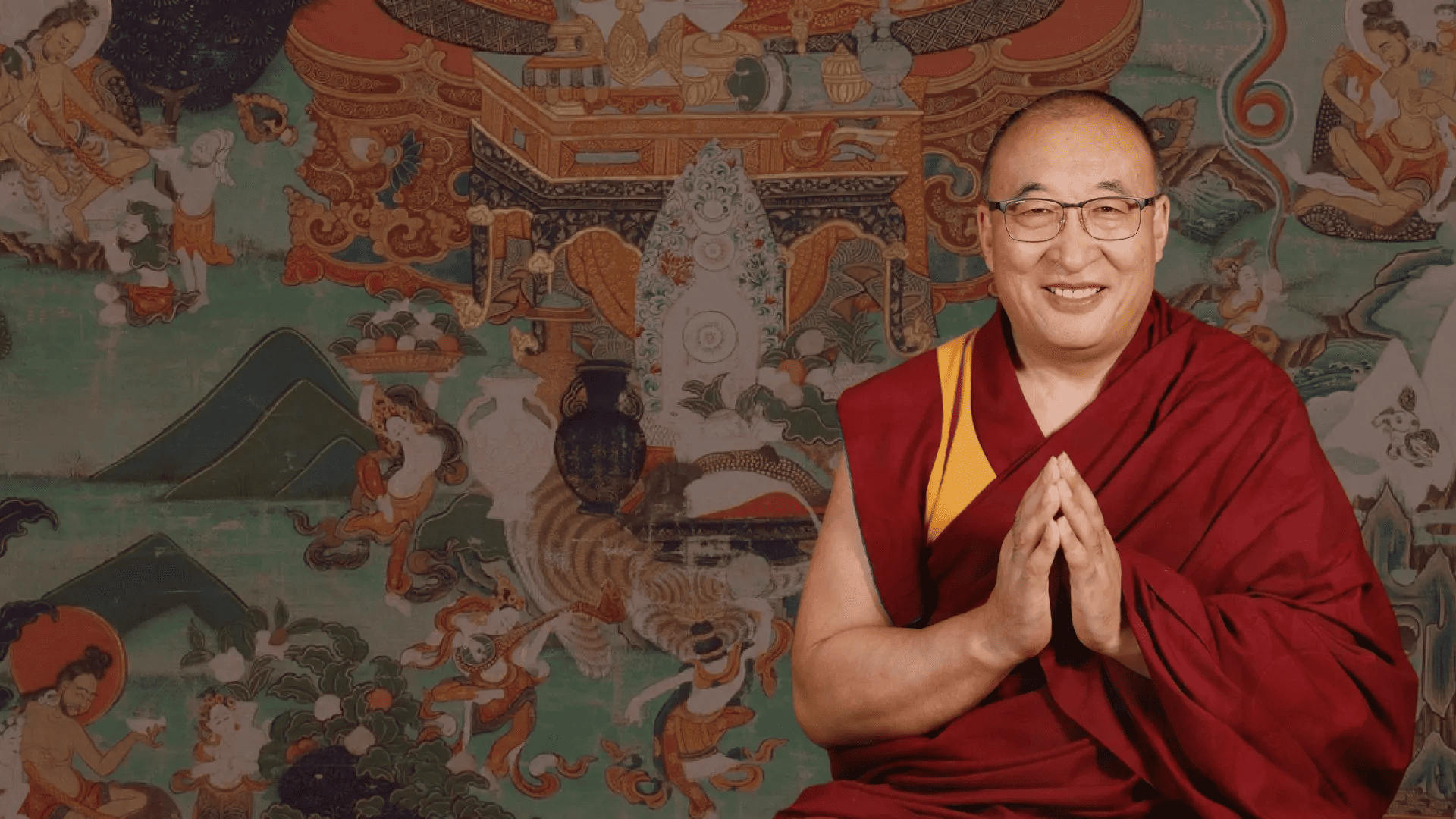
夏‧堪祖嘉培珞珠仁波切將於2026年3月始,傳授極為稀有珍貴的覺囊派一百零八種心要導引,又稱覺囊百教(Jo nang khrid brgya)或覺囊百八教。這將是仁波切首次,也可能是唯一一次,傳授此完整的口傳(lung)。
在兩個月內,每個週末兩小時,仁波切將傳授這些訣竅教授,這些教法直接通往西藏最神聖的修行傳統核心,這些傳統透過不間斷的傳承從印度保存至今。這些教法共同使真誠的修行者能夠觸及利美運動的真正源頭。
《覺囊百八教》的起源
這套灌頂、教授和修行的集成最初由博學多聞的覺囊大師 恭噶卓秋(1507-1566)所匯集,從而為利美運動奠定了基礎。他的轉世化身 至尊‧多羅那他(1575-1634)延續了這項不分教派的學術努力並完成它,將西藏各修行傳統中幾近失傳的教法匯集在一起。
他們的工作共同保存下來,在利美學者 蔣貢康楚(1813-1899)所稱的西藏歷史上「八大實修傳承」(《五寶藏》中的《口訣藏》)之中:
– 寧瑪派(經由蓮花生大士和無垢友)
– 噶當派(經由阿底峽和仲敦嘉威炯內)
– 薩迦派(經由畢瓦巴)
– 時輪六支瑜伽傳統(經由索馬那他,並於13世紀由恭邦・宗哲尊追常住覺摩囊,此後被稱為覺囊傳統。)
– 瑪爾巴噶舉(經由那洛巴)
– 香巴噶舉(經由尼古瑪)
– 息結與斷境(經由帕當巴桑傑和瑪吉拉尊)
– 三金剛趨近與成就法(經由金剛瑜伽母對竹托鄔堅巴仁欽貝的啟示)
這是西藏文獻中的一顆璀璨明珠,也是佛教最重要的無偏見利美風格學術著作之一。
為何此傳承稀有
這些教授的存續並非必然。它們得以延續,僅是因為如 夏‧堪祖嘉培珞珠仁波切這樣完整地領受了它的上師們,在閉關中修持它們,並將它們保存在自己的心相續中。
仁波切曾兩次領受此口傳:一次在西藏他的覺囊派祖寺,另一次從尊者 達賴喇嘛處領受。
由於所需的資源及力量,仁波切計劃僅提供一次此傳授。據我們所知,這是全球非出家修行者群體首次有機會接觸這些教法。
誰適合求取此傳授
在過去10年中,仁波切的許多學生一直請求此特別傳授。一百零八種心要導引中的每一個都是為了保存西藏多元的傳統,並因傳承最有效的精神發展修行法門而被選中的。
因此,此次教授是以下人士的機會:
– 尋求真實、深奧、基於傳承的教授的新學生和長期修行者。
– 希望與整個藏傳佛教完整教法典籍連結的任何傳承的學生。所有傳統的精髓都包含在此傳授中。
– 希望深化與 夏‧堪祖仁波切、覺囊傳統以及這一不間斷的基於修行的傳承之連結的學生。
– 欣賞利美精神以及不同傳承使用不同善巧方便表達佛法之美好多樣性的任何背景的修行者。
推薦教本
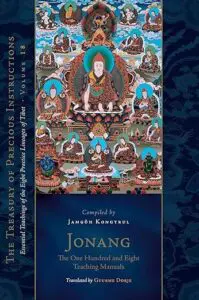
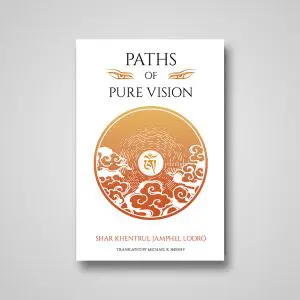
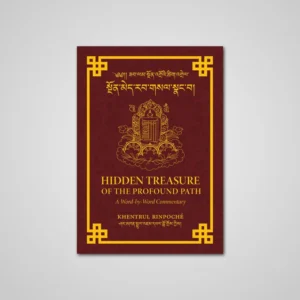
我們強烈推薦購買由蔣貢康楚所著的 Jonang: The One Hundred and Eight Teaching Manuals (《覺囊:百八導引手冊》,香巴拉出版社)。此書包含完整的一百零八種心要引導手冊,以及傳承祈請文、自傳筆記、歷史記載、前行修法和其他重要資料。(此書只有英文版。)
由於傳授期間不會提供文本,像 蔣貢康楚這樣的高品質釋論對於在傳授後研習、思惟和修持這些教法至關重要。
《覺囊百八教》目錄
《覺囊百八教》:
1) Instruction on parting the four kinds of attachment (Zhen pa bzhi bral)
2) Instruction on seven points of training the mind (Blo sbyong don bdun ma)
3) Instruction on the essence of interdependence (Rten ‘brel snying po)
4) Instruction on utilizing pain and pleasure as the path (Skyid sdug lam khyer)
5) Instruction on training the mind (Sum pa’i blo sbyong)
6) Instruction on severing fear according to Machik Labdron (Ma gcig gi gcod)
7) Instruction on the essential three points (Snying po don gsum)
8) Instruction on resting the mind at ease (Sems nyid ngal gso)
9) Instruction on the three types of person (Skyes bu gsum)
10) Instruction on a gradual approach to the teachings (Bstan rim)
11) Instruction on equalizing saṃsāra and nirvāṇa (Srid zhi mnyam nyid)
12) Instruction on the great madhyamaka (Dbu ma chen po)
13) Instruction on the secret guidance of the Kadam (Bka’ gdams lkog khrid)
14) Instruction of the muni (Thub pa’i khrid)
15) Instruction on remaining unavered (Mi g.yo ba)
16) Instruction on Avalokiteśvara practice (Spyan ras gzigs)
17) Instruction on Tārā practice (Sgrol ma)
18) Instruction on the maxims of the Kadampa master Potowa (Po to ba’i dpe chos)
19) Instruction on the sixteen seminal spheres (Thig le bcu drug)
20) Instruction on the prajñāparāmitā (Sher phyin bka’ babs)
21) Instruction on the five paths of pacification (Zhi byed lam lnga)
22) Instruction on the progressive stages of meditation (Sgom rim thog mtha’ bar gsum
23) Instruction on the five treatises of Maitreya (Byams chos lnga)
24) Instruction on the view of rangtong (Rang stong lta khrid)
25) Instruction on the view of zhentong (Gzhan stong lta khrid)
26) Instruction on the concealed meaning (Sbas don)
27) Instruction on enhancing life (Tshe khrid)
28) Instruction on white Tārā practice (Sgrol dkar)
29) Instruction on white Amitāyus practice (Tshe dpag med dkar po)
30) Instruction according to the Tshembu tradition (Dmar khrid tshem bu lugs)
31) Instruction according to the Palmo tradition (Dmar khrid dpal mo lugs)
32) Instruction according to the Zagyal tradition (Dmar khrid zla rgyal lugs)
33) Instruction according to the Khyer Gangpa tradition (Dmar khrid skyer sgang pa’i lugs)
34) Instructions on Cakrasaṁvara practice (Bde mchog dmar khrid)
35) Instruction on Hevajra practice (Kye rdo rje’i dmar khrid)
36) Instruction on Vajrapāṇi practice (Phyag rdor ‘khor chen)
37) Instruction on the yoga of inner heat (Gtum mo)
38) Instruction on Varāhī practice (Phag mo kurma pA da)
39) Instruction on Kurukule practice (Ku ru kul+le)
40) Instruction according to the whispered lineage of the Kālachakra (Dus ‘khor snyan brgyud)
41) Instruction on the approach and accomplishment practices from the Tibetan master Orgyan Rinchen Pal (O rgyan bsnyen sgrub)
42) Instruction on taking the result as the path (Lam ‘bras)
43) Instruction on the inconceivable (Bsam mi khyab)
44) Instruction on the nine ways of profundity (Zab pa’i tshul dgu)
45) Instruction on the practice of spontaneous accomplishment (Lhan cig skyes grub)
46) Instruction on the completion of the inner heat process (Gtum mo lam rdzogs)
47) Instruction on alignment (Yon po bsrang ba)
48) Instruction on mudra practice (Phyag rgya lam khrid)
49) Instruction on mahāmudra without symbols (Phyag rgya chen po yi ge med pa)
50) Instruction on practicing in the proximity of a stupa (Mchod rten drung thob)
51) Instruction on synthesizing sūtra and tantra (Mdo rgyud bsre ba)
52) Instruction on expelling the obstacle of external spirits (Phyi rol gdon gyi bar chad sel ba)
53) Instruction on removing the hindrances of bodily agitations (‘Byung ba lus ‘khrugs kyi bar chad sel ba)
54) Instruction on removing the hindrances for samādhi (Ting nge ‘dzin gyi bar chad sel ba)
55) Instruction on removing the three kinds of suffering (Sdug bsngal gsum sel)
56) Instruction on recollecting the natural state (Gnyug ma dran gsal)
57) Instruction on the three purities (Dag pa gsum)
58) Instruction on self-consecration (Rang byin rlabs)
59) Instruction on the hidden path (Lam sbas bshad)
60) Instruction on clarifying symbolic significance (Brda’ don gsal ba)
61) Instruction on the five stages of Guhyasamāja (Gsang ‘dus rim lnga)
62) Instruction on Muktitlakanāma treatise of associated with the Guhyasamāja (Grol ba’i thig le)
63) Instruction on non-proliferation (Spros med)
54) Instruction on the four stage yoga (Rnal ‘byor bzhi rim)
65) Instruction on Bhairava practice (‘Jigs byed)
66) Instruction on mobilizing masculine forces in the central channel (Yab la brten rtsa dbu ma)
67) Instruction on mobilizing feminine forces in the central channel (Yum gyi rtsa dbu ma)
68) Instruction from the tradition of Gantapada (Dril bu rim lnga)
69) Instruction on the four stages of the black Mahākāla deity practice (Nag po rim bzhi)
70) Instruction on white Cakrasaṁvara practice (Bde mchog dkar po)
71) Instruction on the four seats (Gdan bzhi)
72) Instruction on Mahāmāya practice (Ma hA mA ya)
73) Instruction on the practice of Cakrasaṁvara with a donkey face (Bde mchog bong zhal can)
74) Instruction on the six practices of Varāhī (Phag mo’i sgom drug)
75) Instruction on the six-fold yoga of Nāropa (NA ro’i chos drug)
76) Instruction on the six-fold yoga of the female adept Niguma (Ni gu’i chos drug)
77) Instruction on the Gauma tradition of mahāmudra (Phyag rgya chen po ga’u ma)
78) Instruction on taking up the path (Lam ‘khyer)
79) Instruction on the deathless mind (Sems ‘chi med)
80) Instruction on the six dharmas of Sukha (Su kha chos drug)
81) Instruction of lady Dakmema (Bdag med ma’i nang khrid)
82) Instruction on the yoga of spontaneity (Lhan cig skyes sbyor)
83) Instruction on the fivefold mahāmudra (Phyag chen lnga ldan)
84) Instruction on the four symbols of mahāmudra (Phyag rgya chen po yi ge bzhi pa)
85) Instruction on the introduction of the three enlightened dimensions (Sku gsum ngo sprod)
86) Instruction on the inseparability of the mind and the vital winds (Rlung sems gnyis med)
87) Instruction on the practice of Sekarma (Sras mkhar ma)
88) Instruction on transferring consciousness according to the Ngok tradition (Rngog pa’i bsre ‘pho)
89) Instruction on the four pinnacle statements (Snyan gyi shog dril bzhi)
90) Instruction on the six-fold yoga of the Kālachakra (Sbyor drug)
91) Instruction on the six practices associated with the centers of the upper body (Snyan brgyud steng sgo chos drug)
92) Instruction on the nine cycles of teachings associated with the disembodied ḍākinīs (Lus med mkha’ ‘gro’i chos skor dgu)
93) Instruction on the vast and profound according to Zhang (Zhang gi zab rgya)
94) Instruction on the six-fold yoga of Dra Lotsāwa (Dpal chen rgwa lo’i sbyor drug)
95) Instruction on the cycle of mahāmudra by Phakmo Drupa Dorje Gyalpo (Phag gru phyag chen thel skor)
96) Instruction on the single intent (Dgongs gcig)
97) Instruction on the six dharmas of Tak Lungpa Tashi Pal (Stag lung pa’i chos drug)
98) Instruction on the single experience of omens associated with guru sadhana (Bla sgrub rten ‘brel ro snyoms)
99) Instruction on five aspects according to Loray (Lo ras thub pa lnga ldan)
100) Instruction on the six essential practices for mountain retreat (Ri chos snying po ma drug)
101) Instruction on the propitiation of the protector Kurakma (Mgon po sku rags ma)
102) Instruction on the propitiation of the protector Palgur (Dpal gur gyi mgon po’i nang khrid)
103) Instruction on the three cycles of spontaneous poetry (Do ha skor gsum)
104) Instructions on the six dharmas of a siddha (Grub thob chos drug)
105) Instruction on the progressive path according to Padmasambhava (Pad+ma lam rim)
106) Instruction according to the edict of a king (Rgyal po bka’ ‘bum)
107) Instruction on the jewel that liberates upon being seen (Nor bu mthong grol)
108) Instruction on the mind as a wish-fulfilling jewel (Sems khrid yid bzhin nor bu)
甚麼是口傳(Lung)?
口傳(lung 讀誦傳承),是金剛乘佛教三種傳承方式之一,另外兩種是灌頂(wang)和導引(thri/ khrid)。在口傳期間,上師會大聲朗讀神聖的文本,通常速度很快,持續很長時間,並使用藏語。其目的有兩個:
1 – 它授權學生閱讀和研習該文本。
2 – 它傳遞傳承的能量和加持,維持從上師到弟子不間斷的傳承鏈。
如何領受口傳?
無論是否懂藏語,口傳的重點並非理解所讀誦的段落。即使文本陌生或艱深,據說傳承會將教法的完整加持和潛力種植於學生的心相續中。
要有效地領受口傳:
– 保持正確的動機和見地
– 在禪定狀態中保持臨在和專注
– 盡力專一地觀修聲音
– 放下將口傳變成另一場知識掙扎的誘惑
– 信任儀式的力量、其傳承加持和上師
這種方法讓口傳的深遠影響能夠隨著時間透過研習、思惟和修持而展開。
我可以用此傳承加持做甚麼?
此傳承將會:
– 深化對無分教派利美修行和學術的欣賞,無論屬於哪個傳統。
– 幫助理解西藏主要修行傳承如何彼此互補,同時保持各自獨特的品質。
– 深化與覺囊傳承和 夏‧堪祖仁波切的連結。
《覺囊百八教》提供了對多個修行傳承優勢的廣闊視野,凸顯了為這些不同的修行者保存和欣賞其多樣善巧方便的重要性。
誰可以參加?
歡迎任何傳統的穩定佛法修行者參加。 夏‧堪祖仁波切說,最好參加整個系列的傳承,但如果你錯過其中一次,盡可能多地領受仍然有價值。我們不知道文本的哪一部分會在何時傳授,我們會在Dzokden線上學習中心標記每週傳授的部分,這樣你就能知道自己領受了哪一部分。
如何進行網上口傳
1) 每位參加者皆須報名。你報名用的電郵將被加入learn.dzokden.org的課程。
2) 你必須實時網上領受口傳,並參加每一次口傳(盡你所能)。我們不會提供錄影或錄音,亦不提供任何文本。
3) 你將在口傳當週收到每場次的Zoom連結。
彈性費用方案
佛法並非商品,但Dzokden舉辦全球活動確實有成本。我們設立了三個供養等級,以幫助不同經濟能力的參加者都能負擔,因為我們必須籌集資金來支付成本。費用已根據各國的生活成本進行調整。感謝你的理解,讓我們能夠讓全球大家庭都能參與。如果你的支付能力使參加本課程有困難,我們將盡一切努力讓您能夠參加。
依地區時間表
香港、上海、蒙古、新加坡、台北
第1節 – Mar 21 / 1:00 PM
第2節 – Mar 29 / 7:00 AM
第3節 – Apr 5 / 8:00 AM
第4節 – Apr 12 / 2:00 PM
第5節 – Apr 19 / 8:00 AM
第6節 – Apr 26 / 2:00 PM
第7節 – May 3 / 8:00 AM
第8節 – May 10 / 2:00 PM
第9節 – May 17 / 8:00 AM
還有其他問題?
請電郵至[email protected]。(請利用下列報名表,無法以電郵報名。)